Thursday, December 12, 2024

Building with Hempcrete


https://www.youtube.com/watch?v=7Y0Sk58oP-w&list=PLvytg3e2zmOtv2duFNvs-3lhhwKJfcJNO

EPA’s $6.2M Boost for Hempcrete: Revolutionizing Sustainable Construction

The Environmental Protection Agency (EPA) recently awarded $6.2 million to support the Hemp Building Institute in its mission to explore the potential of hempcrete as a sustainable construction material. This funding marks a significant step forward in the quest to integrate natural building materials into mainstream construction practices. With the growing interest in eco-friendly alternatives, this initiative could pave the way for a greener, more cost-effective building industry.

Hempcrete, derived from the industrial hemp plant, is gaining attention for its impressive properties. Unlike traditional concrete, hempcrete is lightweight, flexible, and boasts excellent insulation capabilities. The natural fibers of the hemp plant provide reinforcement, enhancing the durability of the material. This could revolutionize hemp construction, offering an eco-friendly alternative that supports sustainable building practices.

The Hemp Building Institute’s mission is to advance the use of hemp-based materials in construction. With the EPA’s funding, the Institute aims to enhance research and development, optimize the curing process, and establish best practices for building with hemp. The potential impact on the building industry is profound, promising significant benefits in terms of cost savings, durability, and environmental sustainability.

Integrating hempcrete into mainstream construction not only aligns with sustainable building practices but also offers a promising future for eco-conscious builders. This initiative by the EPA underscores the importance of investing in innovative, green building materials to create a more sustainable and resilient world.

What is Hempcrete?

Hempcrete is a bio-composite material made from the inner woody core of the industrial hemp plant mixed with a lime-based binder. Unlike traditional concrete, hempcrete is lightweight, flexible, and boasts impressive insulation properties. The hemp plant fibers provide natural reinforcement, making the material durable and resilient. Additionally, the production process of hempcrete is far less energy-intensive than that of conventional concrete, making it a more sustainable option for construction.

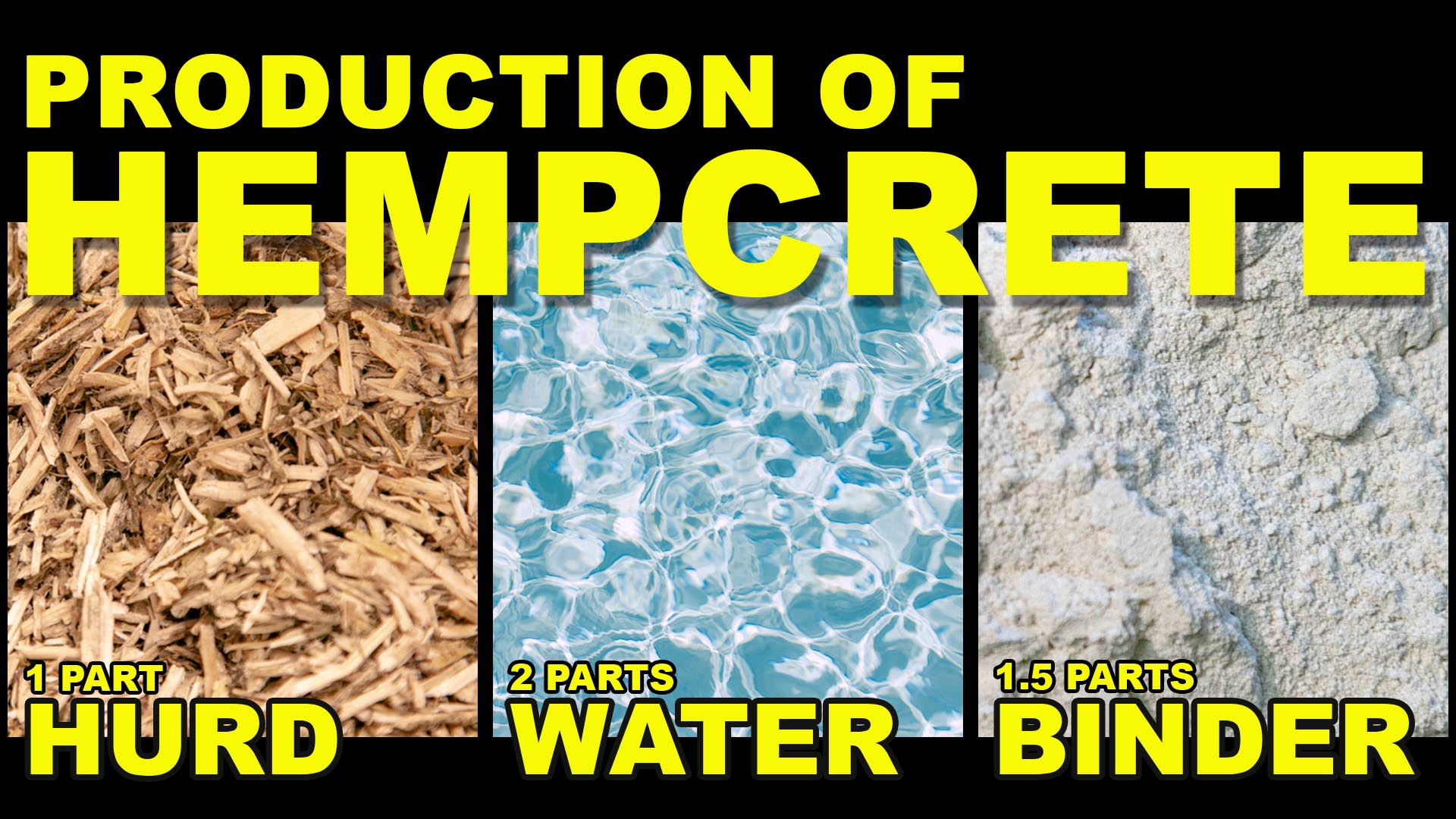
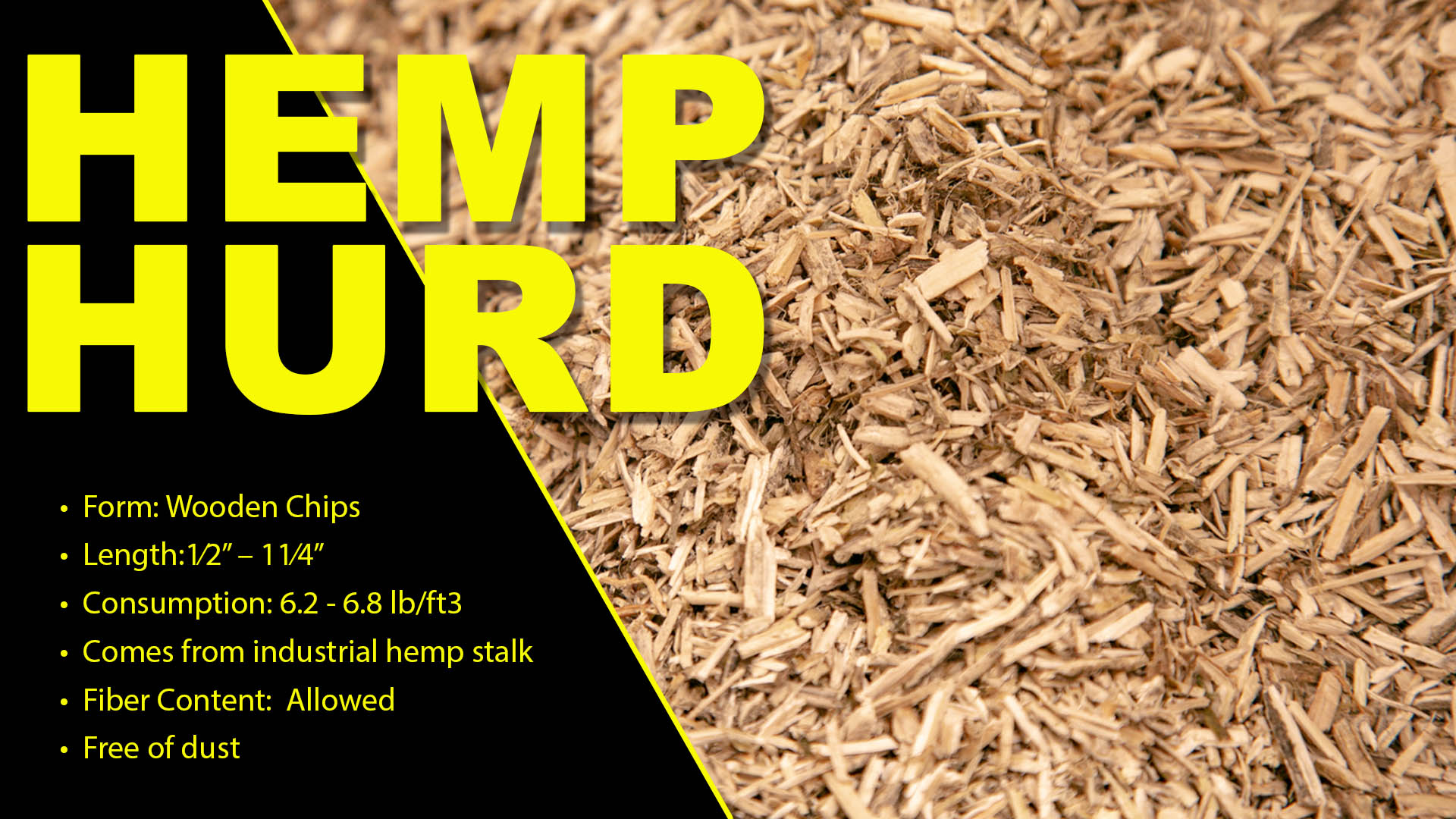
The core component, known as hemp hurd, is derived from the stalks of the hemp plant. This byproduct of the manufacturing process is mixed with lime and water to create a material that is not only strong but also environmentally friendly. The use of natural materials like hemp hurd significantly reduces the carbon footprint of building projects, aligning with efforts to improve the environment.

Moreover, hempcrete excels in terms of thermal performance. Its ability to regulate temperature and humidity within buildings contributes to energy efficiency, leading to potential cost savings on heating and cooling. This makes hempcrete an ideal choice for affordable housing concepts, where minimizing ongoing expenses is crucial.

In addition to its structural benefits, hempcrete is non-toxic and resistant to mold and pests. It doesn’t off-gas harmful chemicals, ensuring healthier indoor air quality. This characteristic further supports its use in affordable housing concepts, where ensuring the health and well-being of occupants is paramount.

In summary, hempcrete is a pioneering building material that integrates the benefits of natural materials with innovative construction techniques. Its potential to transform the building industry lies in its sustainability, cost-effectiveness, and health benefits, making it a key player in the future of eco-friendly construction.

The Role of the Hemp Building Institute
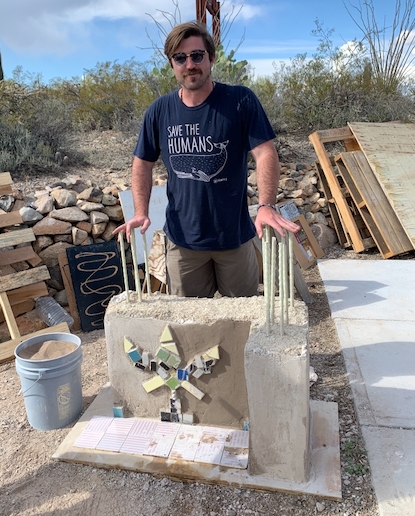
The Hemp Building Institute is involved in the effort to research natural building materials from the cannabis sativa plant.

The Hemp Building Institute’s mission is to promote the use of industrial hemp in construction and other applications. With the EPA’s funding, the Institute aims to advance research and development in hempcrete technology. This includes studying the material’s properties, optimizing the curing process, and developing best practices for building with hemp.

Central to the Institute’s efforts is the comprehensive research on natural building materials, particularly focusing on hemp lime composites. These composites are at the forefront of innovative construction techniques due to their sustainability and performance. The Institute’s work on hemp lime composites aims to enhance the material’s structural integrity and optimize its environmental benefits, ensuring that hemp building becomes a mainstream practice.

The Institute is also dedicated to fostering sustainable building practices. By promoting the use of hempcrete and other hemp-based materials, the Institute supports the reduction of carbon footprints in construction projects. This is not just about creating greener buildings but also about setting a new standard for the building industry that prioritizes the planet’s health.

Educational initiatives are a significant part of the Institute’s role. The Institute provides resources and training for builders, architects, and developers on building with hemp lime. These programs aim to disseminate knowledge about the benefits of hemp in construction, from its natural insulation properties to its potential in creating affordable housing solutions. By educating professionals, the Institute ensures that the construction industry is well-equipped to adopt sustainable building practices.

Moreover, the Institute’s work involves extensive testing and certification of hemp fiber and hemp lime products. This ensures that materials meet rigorous safety and performance standards, which is essential for gaining wider acceptance in the construction market. Through these efforts, the Institute is helping to build trust and reliability in hemp building materials.

Collaborations with universities and research institutions are another crucial aspect of the Institute’s strategy. These partnerships enhance the scope and depth of research on hemp lime composites and other natural building materials. By leveraging academic expertise, the Institute aims to push the boundaries of what is possible with industrial hemp in construction.

The Hemp Building Institute is at the forefront of a movement to redefine construction with sustainable, essential, and innovative materials. By focusing on research natural building materials and promoting hemp construction, the Institute is paving the way for a future where hemp plays a vital role in building a sustainable world.

Benefits of the Industrial Hemp Plant in Construction
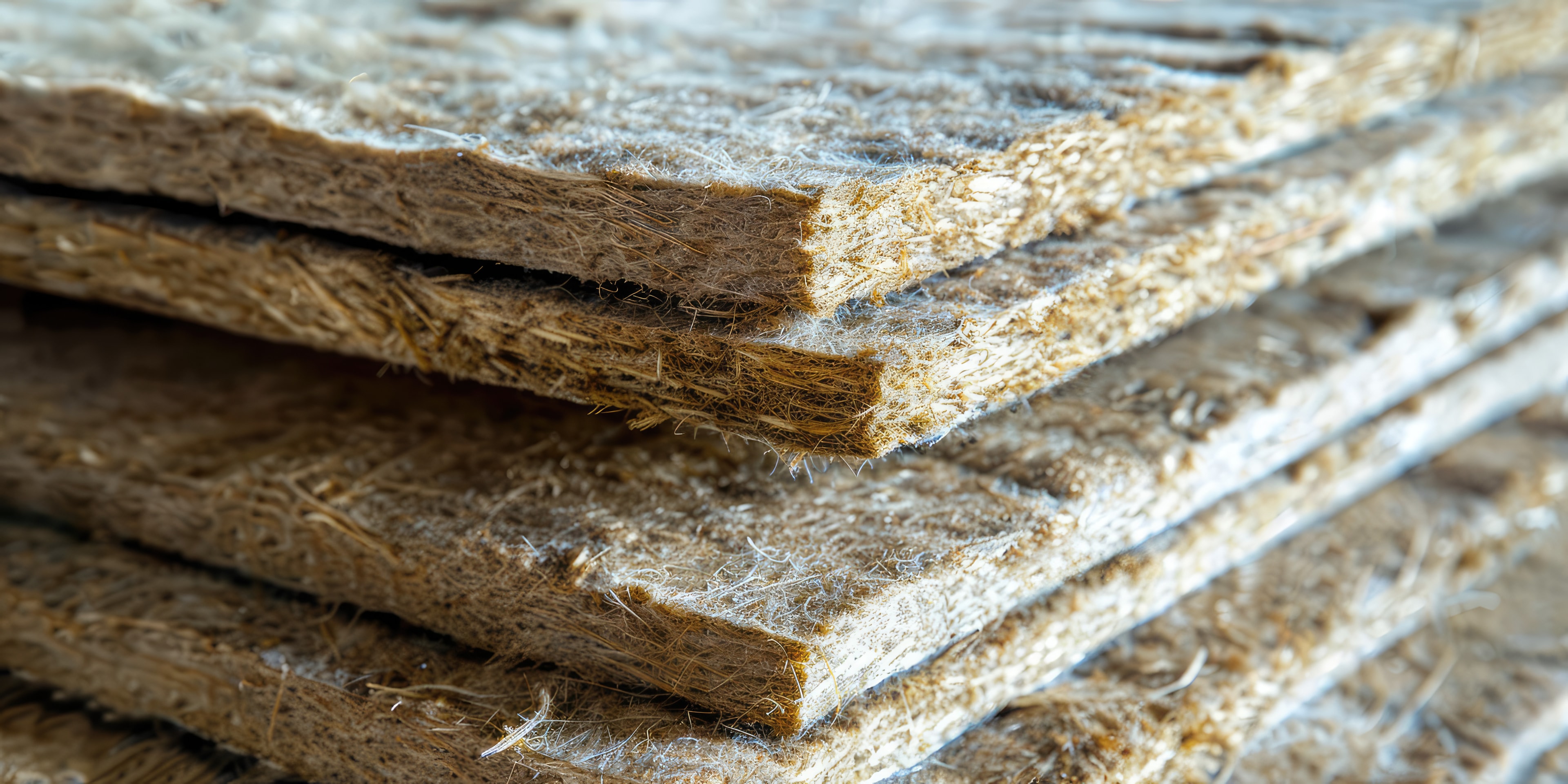
There are many advantages from building with hemp, as it can absorb large amounts of weight and force with the fiber in the walls.

The advantages of using hempcrete in construction are manifold. Here are some key benefits that highlight its potential to revolutionize the building industry:

Durability and Longevity of Hempcrete

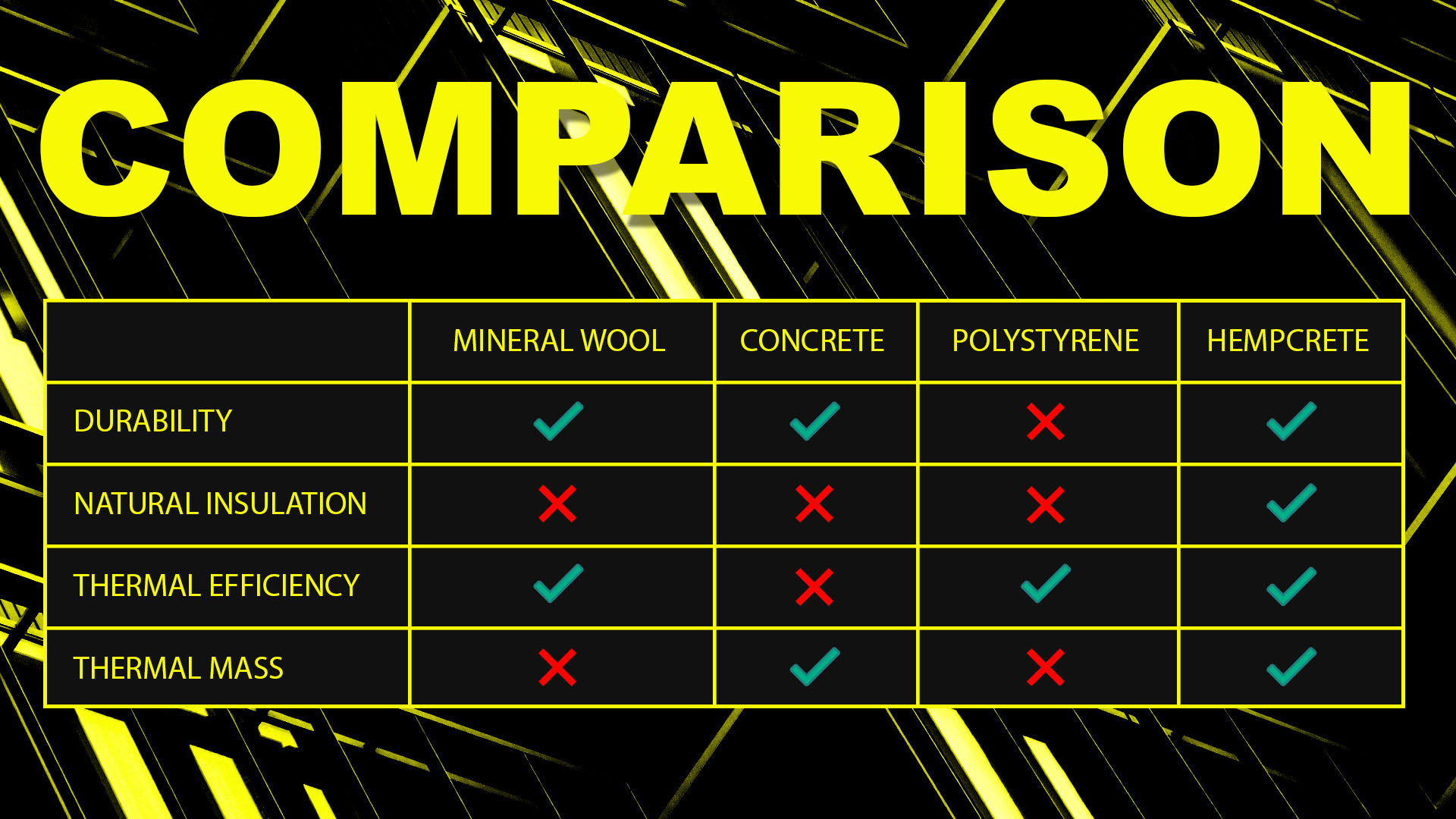
Hempcrete is known for its longevity. The material’s natural hemp fibers make it more flexible and less prone to cracking compared to traditional concrete. This flexibility helps to distribute stress across the wall structure, reducing the likelihood of fractures and prolonging the lifespan of buildings.

The use of hemp hurds in the mixture adds to its durability, making it a robust building material that can withstand various environmental conditions. This durability can lead to significant savings on maintenance and repairs over time, making hemp building an economically sound choice.

Insulation Properties

One of hempcrete’s standout features is its excellent insulation capabilities. As an insulation material, hempcrete helps maintain stable indoor temperatures by reducing thermal bridging. This means less heat is transferred through the walls, which improves energy efficiency and comfort within the building.

The natural composition of hemp allows it to breathe, which helps regulate humidity and prevents the buildup of moisture. This not only enhances the overall insulation performance but also contributes to a healthier indoor environment. By reducing the need for excessive heating and cooling, hempcrete can lead to lower energy bills and a reduced carbon footprint.

Sustainable Building Practices

Using hempcrete supports sustainable building practices. The industrial hemp plant absorbs large amounts of carbon dioxide during its growth, helping to offset emissions produced during construction. Additionally, the plant can be grown quickly and without the need for pesticides or herbicides, making it an environmentally friendly crop.

The production process for hempcrete is less energy-intensive compared to traditional concrete, further minimizing environmental impact. This aligns with global efforts to reduce carbon emissions and promote sustainability in the building industry. The integration of hemp in construction represents a significant step towards greener building practices and a more sustainable future.

Health and Safety of Hempcrete

Hempcrete is non-toxic and mold-resistant, contributing to healthier indoor air quality. Unlike conventional building materials, it doesn’t off-gas harmful chemicals, making it a safer option for both builders and occupants. The natural resistance to mold and pests is due to the lime content, which creates an inhospitable environment for these issues.

This aspect of hemp building ensures that structures are not only durable and energy-efficient but also healthier to live and work in. The use of natural materials in construction helps to reduce exposure to synthetic chemicals and allergens, promoting overall well-being.

Hempcrete offers numerous benefits that make it an attractive option for modern construction. Its durability, excellent insulation properties, support for sustainable building practices, and contributions to health and safety make it a revolutionary building material.

As the building industry continues to seek out eco-friendly alternatives, the adoption of hempcrete and other hemp-based materials will likely increase, paving the way for a more sustainable and resilient future in construction. The integration of hemp in building projects not only enhances performance and longevity but also promotes environmental stewardship and healthier living spaces.

Financial Implications of Hempcrete for the Building Industry
Use hemp fiber in building materials, that creates more efficiency and effectiveness using hemp, thus saving costs on both the sides of the builders and residents.

Integrating hempcrete into construction can lead to significant financial benefits for companies. Here’s how:

Cost-Effective Construction

The initial costs of using hemp-based materials may be comparable to traditional materials, but the long-term savings are substantial. Hempcrete buildings benefit from reduced heating and cooling needs due to the material’s superior insulation properties, which translates to lower energy bills. The durability of hempcrete also means fewer repairs and less maintenance over time.

Moreover, the production process for hempcrete is less energy-intensive, which can reduce overall manufacturing costs. By investing in hemp building, companies and residents can achieve significant cost savings while contributing to environmental sustainability.

Incentives and Grants

With the growing emphasis on sustainable building practices, companies using eco-friendly materials like hempcrete may qualify for government incentives and grants. The recent EPA grant to the Hemp Building Institute is a prime example of the support available for green construction initiatives.

These incentives can offset the initial investment costs, making it more feasible for companies to adopt hemp in their building projects. By aligning with federal and state sustainability goals, builders can access financial support and benefits that make hemp building a more attractive option.

Market Differentiation

Companies that adopt hempcrete and other hemp-based materials can position themselves as leaders in sustainability. This can attract environmentally conscious clients and investors, providing a competitive edge in the market. The use of hemp in construction not only enhances a company’s reputation but also demonstrates a commitment to innovative and eco-friendly solutions.

This differentiation is particularly valuable in the context of affordable housing projects, where sustainability and cost-efficiency are critical selling points. By embracing hemp building, companies can stand out in a crowded market and appeal to a growing demographic of eco-conscious consumers.

The financial implications of integrating hempcrete into construction are compelling. From cost savings on energy and maintenance to accessing government incentives and differentiating in the market, hemp building presents a range of economic benefits.

The Hemp Building Institute’s research and advocacy further support the adoption of hemp in the construction industry, highlighting its potential to transform traditional building practices. As the demand for sustainable and cost-effective building solutions grows, the financial advantages of hemp will continue to drive its adoption, paving the way for a more resilient and eco-friendly future in construction.

Applications Beyond Construction
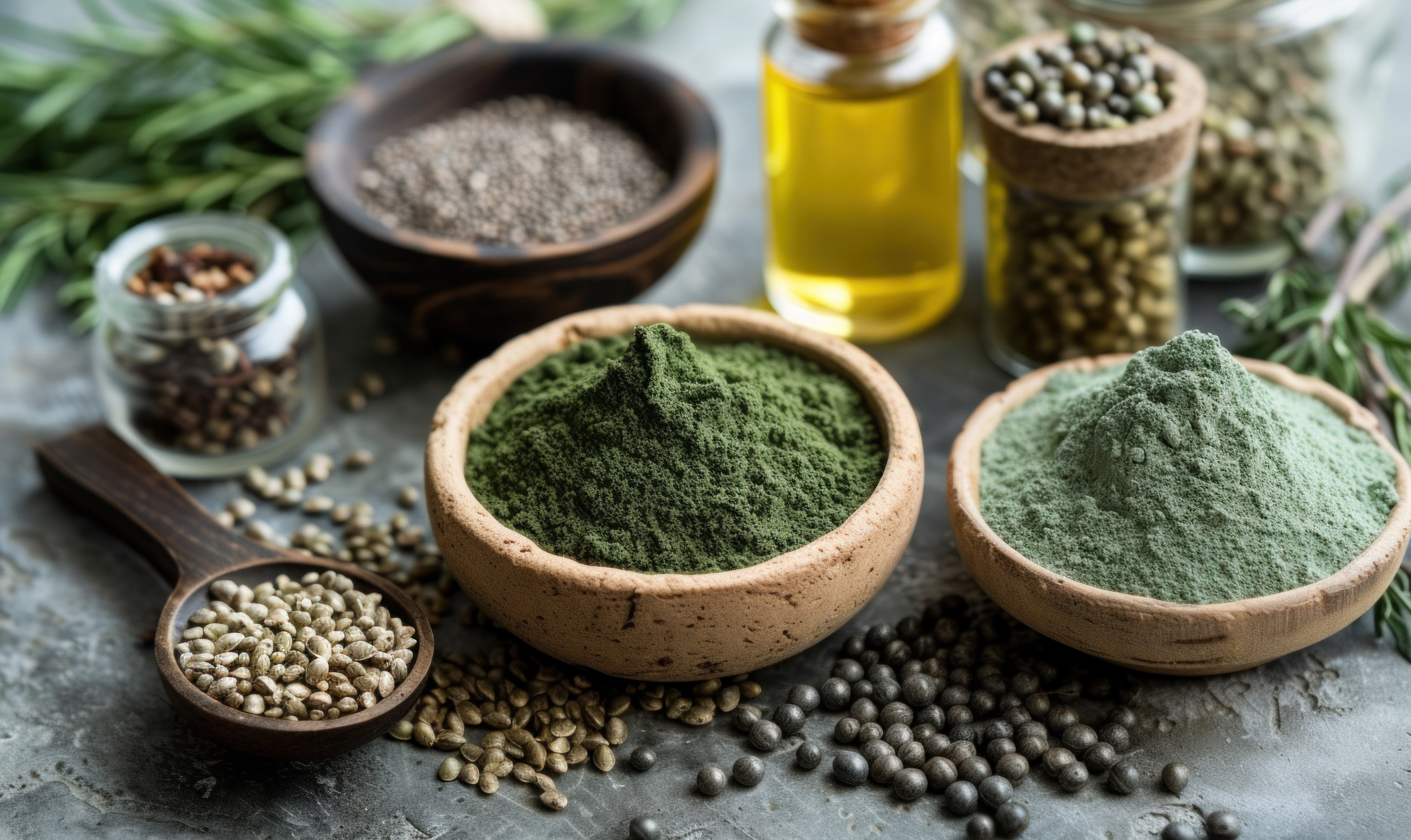
Hemp is not only made for construction, but can be used to make other products like hemp seed protein, powders from hemp seeds, and hemp seeds can also be used in other nutritional capacities.

While hempcrete is primarily known for its applications in construction, the industrial hemp plant offers numerous other benefits that extend well beyond the building industry. Here’s a look at how hemp products are making an impact in various fields:

Nutritional Benefits of Hemp Seeds

Hemp seeds are packed with nutrients and can be used in a variety of food products. These seeds are a rich source of essential fatty acids like omega-3 and omega-6, which are crucial for maintaining heart health and supporting brain function. Additionally, whole hemp seeds contain significant amounts of protein, making them a valuable addition to any diet.

This hemp protein is considered complete because it contains all nine essential amino acids that the body cannot produce on its own. This makes hemp seed protein a popular choice among vegetarians, vegans, and anyone looking to boost their protein intake with a natural source.

Health and Wellness Products

Hemp seed oil is another versatile product derived from the hemp plant. It’s known for its high concentration of fatty acids and is commonly used in skincare products to moisturize and nourish the skin. The potential beneficial properties of hemp oils can help soothe irritated skin and reduce the appearance of redness and acne.

Additionally, hemp seed oil is used in dietary supplements due to its rich nutrient profile. It may help support cardiovascular health and improve overall well-being. The growing interest in natural health products has led to a surge in the popularity of hemp seed oil and other hemp-derived wellness items.

Culinary Uses

The culinary world has also embraced hemp seeds and hemp seed oil. These products add a nutty flavor and a nutritional boost to various dishes. Hemp seed oil can be used in salad dressings, smoothies, and as a finishing oil for cooked dishes, providing a healthy alternative to traditional oils.

The high content of essential fatty acids and other beneficial nutrients makes hemp seeds and their derivatives a desirable addition to any health-conscious kitchen.

The applications of hemp extend far beyond construction, showcasing the versatility and potential of this incredible plant. From hemp seeds packed with nutrients to hemp seed oil used in skincare and dietary supplements, the benefits of hemp products are vast and varied.

As the demand for natural and sustainable products continues to rise, the role of hemp in nutrition, health, and wellness is likely to grow even further. This not only highlights the multifunctional nature of the industrial hemp plant but also underscores its importance in creating a more sustainable and healthy future.

The Future of Hempcrete and Sustainable Construction
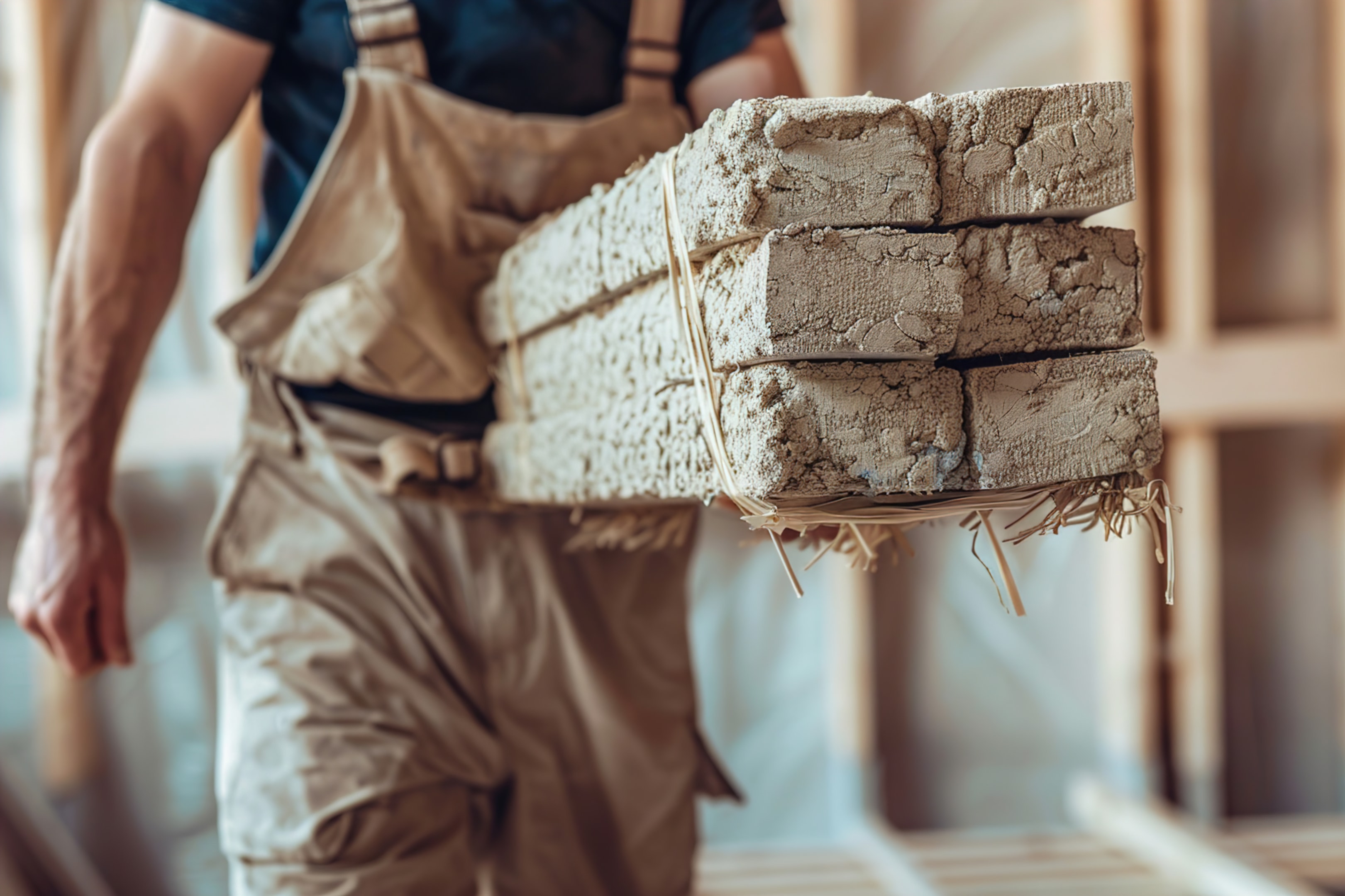
Using hemp for construction would be a major advancement in the industry and would have many benefits.

The EPA’s grant to the Hemp Building Institute signifies a growing recognition of the potential of hempcrete and other natural building materials. As research progresses and more builders embrace sustainable building practices, we can expect to see a significant shift towards greener construction methods.

Advancements in Hempcrete Technology

The funding provided to the Hemp Building Institute will undoubtedly propel advancements in hempcrete technology. Researchers are focused on optimizing the curing process and improving the material’s overall performance.

Enhanced hemp lime composites are being developed to increase durability, reduce thermal bridging, and improve insulation properties. These advancements make building with hemp lime a more viable and attractive option for mainstream construction projects.

Regulatory Support and Industry Standards

With the growing interest in hempcrete, there is a push towards establishing industry standards and regulatory support for hemp building. The Hemp Building Institute plays a crucial role in this by working with regulatory bodies to ensure that hempcrete and other hemp-based materials meet safety and performance standards. This will help build trust in the material and encourage more widespread use in various construction projects.

The work of the Hemp Building Institute is central to this evolution, promoting the use of hemp in innovative and environmentally friendly ways. As we continue to explore the potential of building with hemp lime and other hemp-based materials, the construction industry is poised to undergo a transformation towards more sustainable and resilient practices.

The integration of hemp in construction not only addresses environmental concerns but also offers practical and economic benefits that can reshape the future of building.

Wrapping Up

With the funding from the EPA, the Hemp Building Institute will be able to continue research and building with hemp to show its effectiveness in construction.

The $6.2 million awarded by the EPA to the Hemp Building Institute represents a pivotal investment in the future of sustainable construction. This funding will enhance research on natural building materials, paving the way for innovative uses of hemp in the building industry. The Hemp Building Institute’s mission to promote the use of hempcrete and other hemp-based materials aligns with global efforts to develop eco-friendly and cost-effective affordable housing concepts.

As we continue to explore the potential of hemp in various applications, from construction to nutrition, its role in creating a more sustainable and healthier world becomes increasingly clear. The integration of hemp in building practices not only offers essential environmental benefits but also presents significant economic advantages. The Hemp Building Institute is at the forefront of this movement, ensuring that hemp remains a key player in the quest for sustainability and resilience in construction.

In conclusion, the future of building with hemp looks bright, with ongoing research and support from institutions like the Hemp Building Institute driving the adoption of greener, more sustainable materials. The advancements in hempcrete technology and its applications in various affordable housing concepts underscore the importance of continuing to invest in and develop natural building materials. As we embrace these innovations, we move closer to a future where sustainable construction practices are the norm, benefiting both our planet and our communities.


https://www.hemptraders.com/Hemp-Building-Materials-s/1943.htm

Building with hemp

The Foundation of Sustainability

Building with hemp offers a multitude of compelling benefits for both the environment and the construction industry. Hemp-based materials are exceptionally sustainable, as hemp is a fast-growing plant that requires minimal water, pesticides, and fertilizers. It acts as a carbon sink, sequestering carbon dioxide during its growth, making it an eco-friendly choice for reducing greenhouse gas emissions. Hemp construction materials, such as hempcrete, are lightweight, yet incredibly strong and durable. They offer excellent thermal insulation, reducing energy consumption for heating and cooling. Moreover, these materials are resistant to mold, pests, and fire. Hemp building also supports local agriculture, fostering economic growth within communities. By choosing hemp for construction, we not only create healthier, energy-efficient buildings but also contribute to a greener and more sustainable future.

Sort By: 
 Page  of 1
  
 
PF Design Lab


www.pfdesignlab.com

Design, Engineering, Manufacturing
Plant Fibers + Composites + Production + Analysis


Are you looking to build with hemp or create a new type of hemp building material? Discover how PF Design Lab's technical expertise and experience in natural hemp fibers, bio-composites, and bio-polymers can provide solutions for your projects and business goals. PF Design Lab has years of experience working with hemp. They can show you how to engineer hemp as a substrate for creating hemp plastics and alternative wood products such as particleboard, medium density fiberboard (MDF), and oriented strand board (OSB).


Contact: Patrick Flaherty
email: info@pfdesignlab.com
Tel: 406-589-0011

Tell them Hemp Traders referred you.


https://parametric-architecture.com/in-the-search-for-alternative-building-material-what-is-hempcrete/


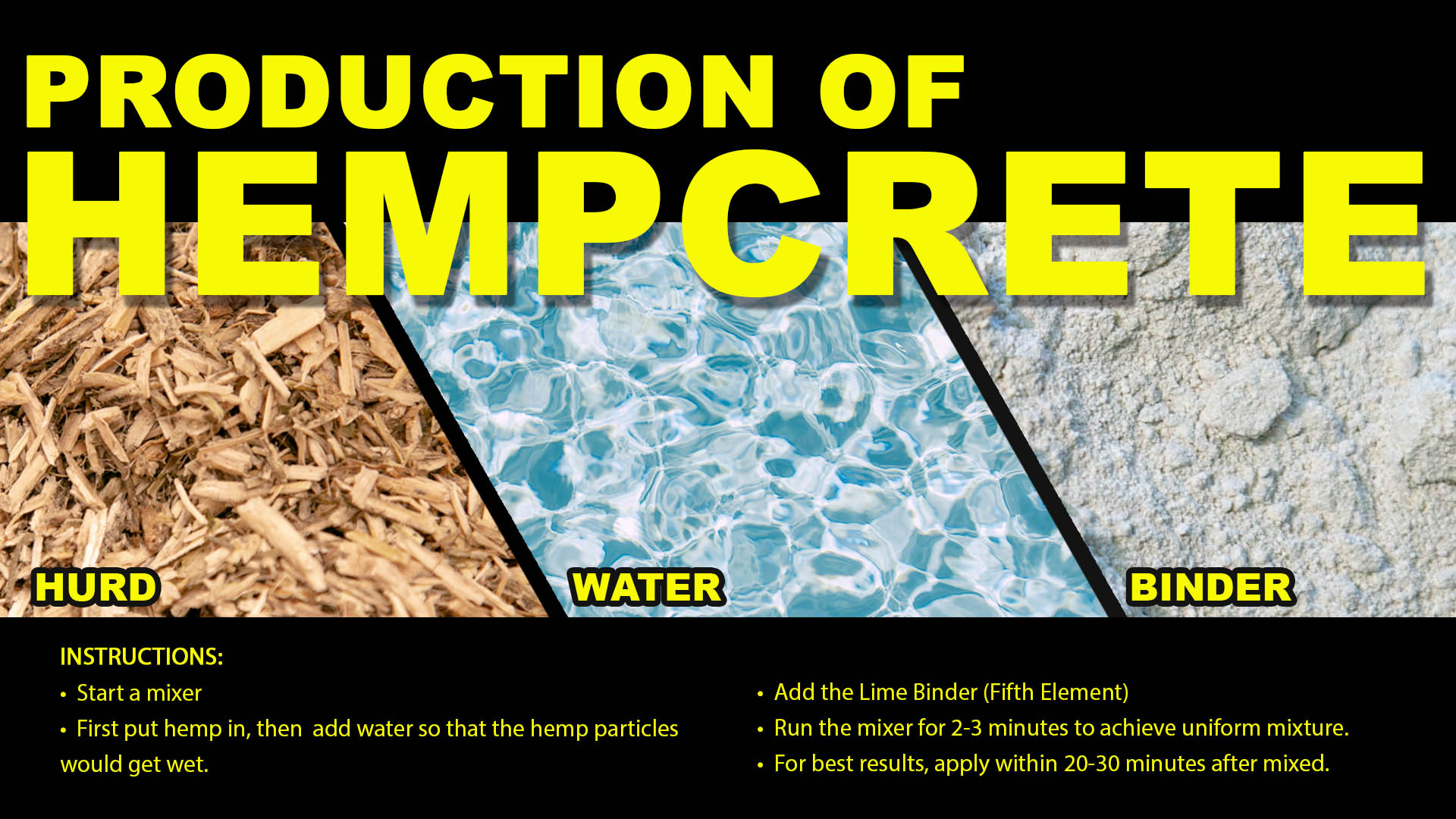
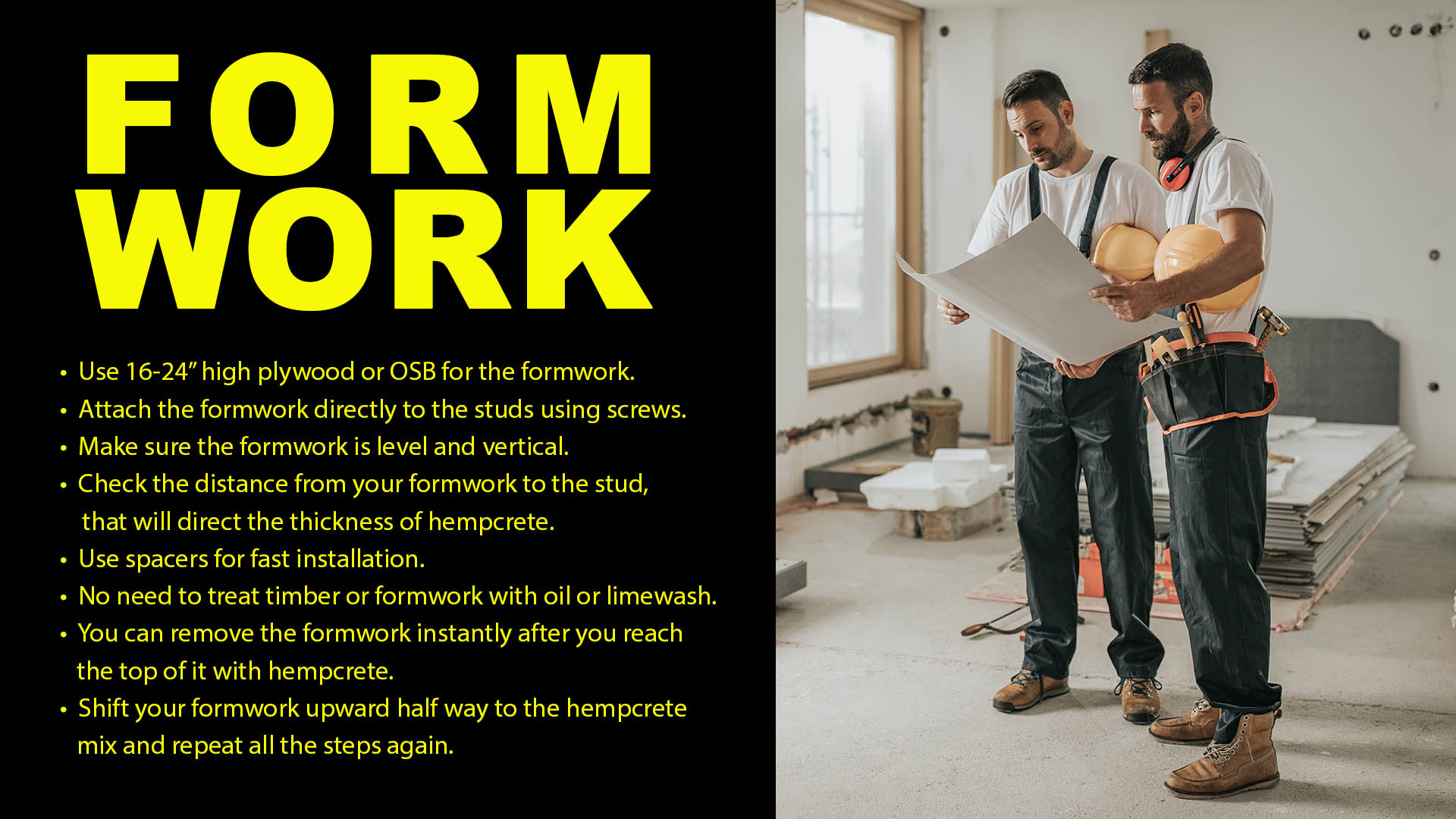
How to use Hemp Hurds to make hempcrete

Hempcrete

Hempcrete


Hempcrete

Hempcrete

Hempcrete

Hempcrete

Hempcrete


In the search for alternative building material: What is Hempcrete?

Made from the versatile hemp plant, hempcrete offers a fresh approach to eco-friendly construction. Its cyclic processability and positive impact are gaining recognition.

📝 In this article:

Hempcrete
Image © Bloomberg Creative / Getty Images

Architects and builders are looking for creative and environmentally friendly replacements for conventional building materials as sustainability gains importance in the construction sector. Hempcrete is one of these materials that has attracted interest.

Hempcrete, a material made from the versatile hemp plant, presents a new approach to building sustainable constructions. Hempcrete material creates positive effects in the sector with its cyclic processability. While the development of the material, which is still being studied in different varieties, continues, its use is also becoming widespread.

Rope, textiles, and biofuel are just some of the industrial products that use hemp. However, the high costs of hemp and a weak supply network make it difficult to use in the construction industry. And its perceptual links with recreational drug use also pose an obstacle to the production of the raw material. But in fact, the visibility of the benefits of the material is slowly spreading. Although there is no use permit for every building everywhere, the benefits revealed by the applications and studies will enable builders and policymakers to take a step. It is thought that the use of this material, which is suitable for a cyclical process from production to disposal and has positives in terms of carbon emissions, will be normal and widespread in five years.

This article aims to provide an acquaintance with the hempcrete material. And it proceeds through the questions of what hempcrete consists of exactly, how it is produced, and what its advantages and disadvantages can be, and aims to show its applied situations with a few architectural project examples.

Let’s take a closer look at the promising building material hempcrete:

What is Hempcrete?

Hempcrete
Image © Hemp Retreats

Hempcrete is a bio-composite material that can be used as a sustainable alternative for materials used in construction, like standard insulation and concrete. It is mainly made of hemp, the inner core of the cannabis sativa plant, which has a texture similar to balsa wood. Hemp is a plant that can be produced without chemical plant protection agents, uses little water, and helps regenerate agricultural land. It serves as the foundation for hempcrete when mixed with lime and water. In contrast to other natural fibers, hempcrete has a high silica content that makes it possible to bind effectively with lime. Lightweight natural concrete is produced by mixing hemp with lime. Due to its high thermal mass and vapor permeability, it produces high-performance structures that can adhere to both present and upcoming thermal standards.

From a sustainability perspective, Hempcrete is very promising as it has a cyclical operation. It absorbs carbon dioxide during the production phase of the plant state, is built without using and releasing any chemicals during the construction phase, acts as an effective insulation during use, and finally emerges as a recyclable or reusable product in case of destruction. In addition, since it has an easily adaptable structure in the production process, its usage areas can be diversified. In this way, it does not focus on single-use but allows it to be used in many different ways, from renovation to wall construction, from insulation to coating.

What are the Benefits of Hempcrete?

Hempcrete
Image © Cedric Verhelst

It is possible to talk about many benefits of Hempcrete, from the production stage of the cannabis plant to the hempcrete formation process, from the purposes of use in the construction industry to recycling. So what benefits encourage Hempcrete to be used as an alternative plant-based material?

Sustainable and Renewable

The source of hempcrete is the fast-growing hemp plant. And hemp is biodegradable, recyclable, and carbon-negative. It has little embodied energy and produces no harmful consequences. It is possible to cultivate it without using pesticides, and it can help replenish depleted soil. Contrary to concrete, which releases a lot of CO2 during manufacture, hemp takes CO2 back from the air. One hectare of hemp is thought to be capable of absorbing 15 tonnes of CO2 during the growing season.

Thermal Performance

One of the most common uses of Hempcrete is as an insulating material. An insulation value can be created with the lime hemp ratios in it. As the amount of hemp increases, the density decreases, and the insulation value increases. When Hemp undertakes this task, the material formed is a comparatively light insulation material. In contrast to lightweight insulation materials, hempcrete’s thermal mass aids in mitigating daily temperature fluctuations by absorbing and releasing heat slowly and evenly.

Fire Resistance

Many experiments on Hempcrete have shown that it is a non-combustible material. Despite direct contact with burning wood, the non-flammable material provides fire protection and can improve overall building safety.

Flat House 1
Flat House by Practice Architecture + Material Cultures. Image © Oskar Proctor

Vapour Permeability

Hemp is permeable to water vapor due to its porosity. It is hygroscopic, which means that it may absorb and release moisture from the air around it. This can assist in preserving a comfortable humidity level and avert problems like condensation and mold development.

Lightweight and Durable

One of the most important features of Hempcrete is its lightweight. Long-term use with its flexible and time-fitting structure despite its lightness. Even if it does not have enough load-bearing capacity to be used as a building element, it reduces the load on the foundation and building elements with its low density.

Design Flexibility

Hempcrete has a structure that allows flexible design. Due to its moldable nature, it can be used in various architectural applications, from simple walls to complex curves and shapes. Thus, the material can be easily made into custom forms, allowing for unique designs. This design flexibility can create opportunities for innovative structures that cannot be achieved with traditional building materials.

Disadvantages of Hempcrete

Hempcrete
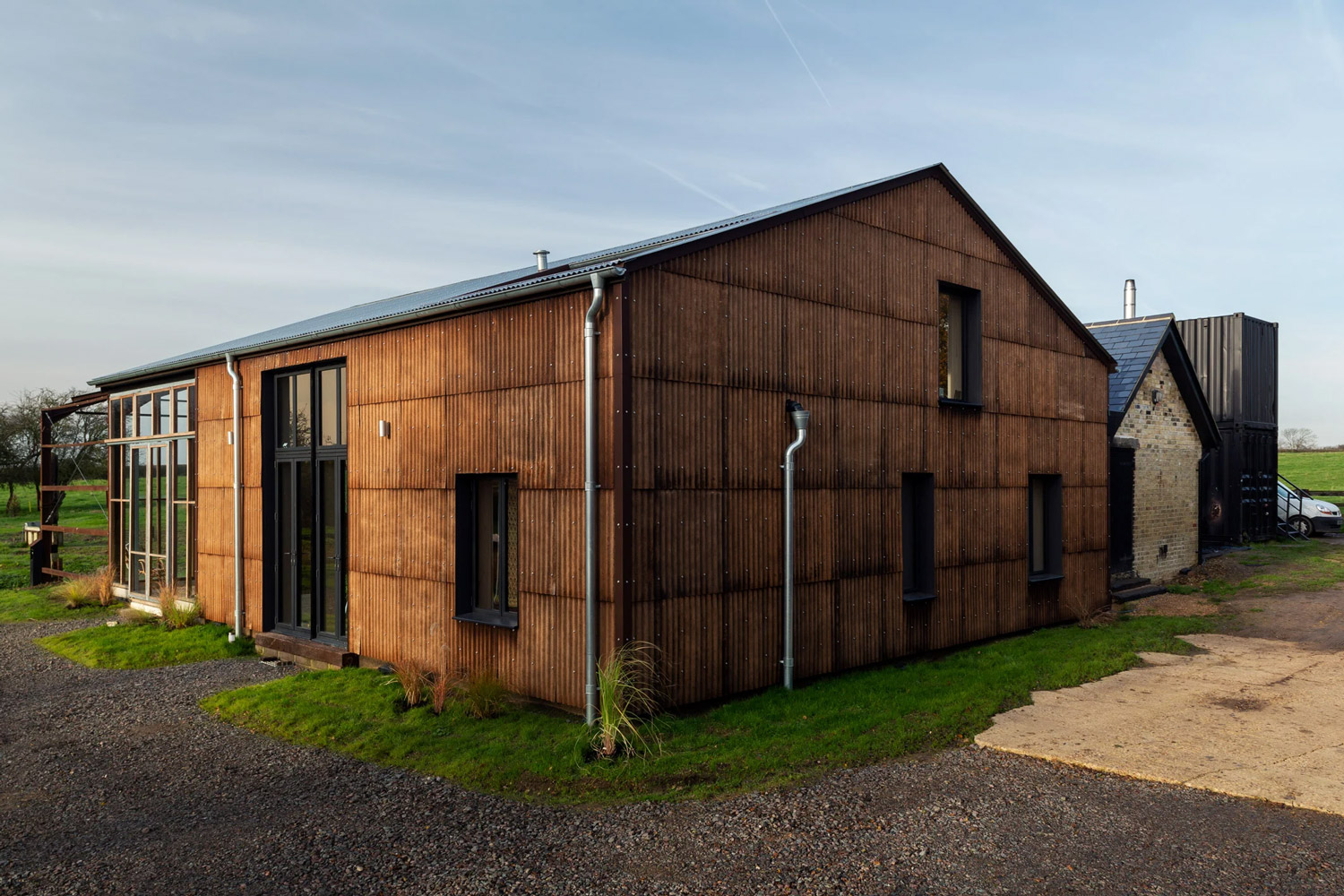
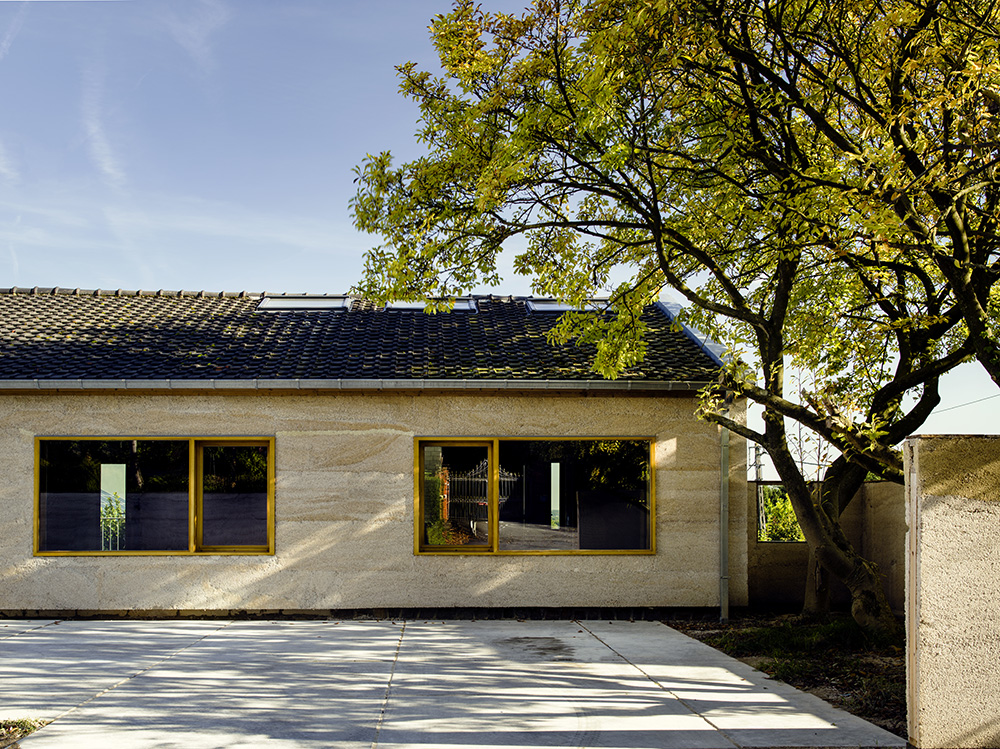
Frith Mill Hempcrete House by Altereco Design

In general, it can be said that the benefits are high, but there are also cases where hempcrete is disadvantageous. These disadvantageous situations, mostly due to their uncommon use, can be caused by a lack of knowledge about production and use and its rarity.

Higher Initial Costs

Initially, hempcrete may cost more than more common building materials like insulation or concrete. This is a result of things like a lack of supply, unique building methods, and the demand for trained labor. Since it is not yet widely produced and used, there are no practical methods developed as in traditional materials, and prices remain high as in many rare and singular productions.

Limited Availability

Depending on the location, hempcrete may not be readily available. It may be difficult to locate hempcrete supplies and skilled contractors who are knowledgeable about its installation methods in some places. There are also areas where the production of cannabis is prohibited due to its connection with recreational drugs. For this reason, there are also regions where it is difficult to spread the suitability for the application, as there is / may be a stance against hempcrete production.

Regional House Edeghem
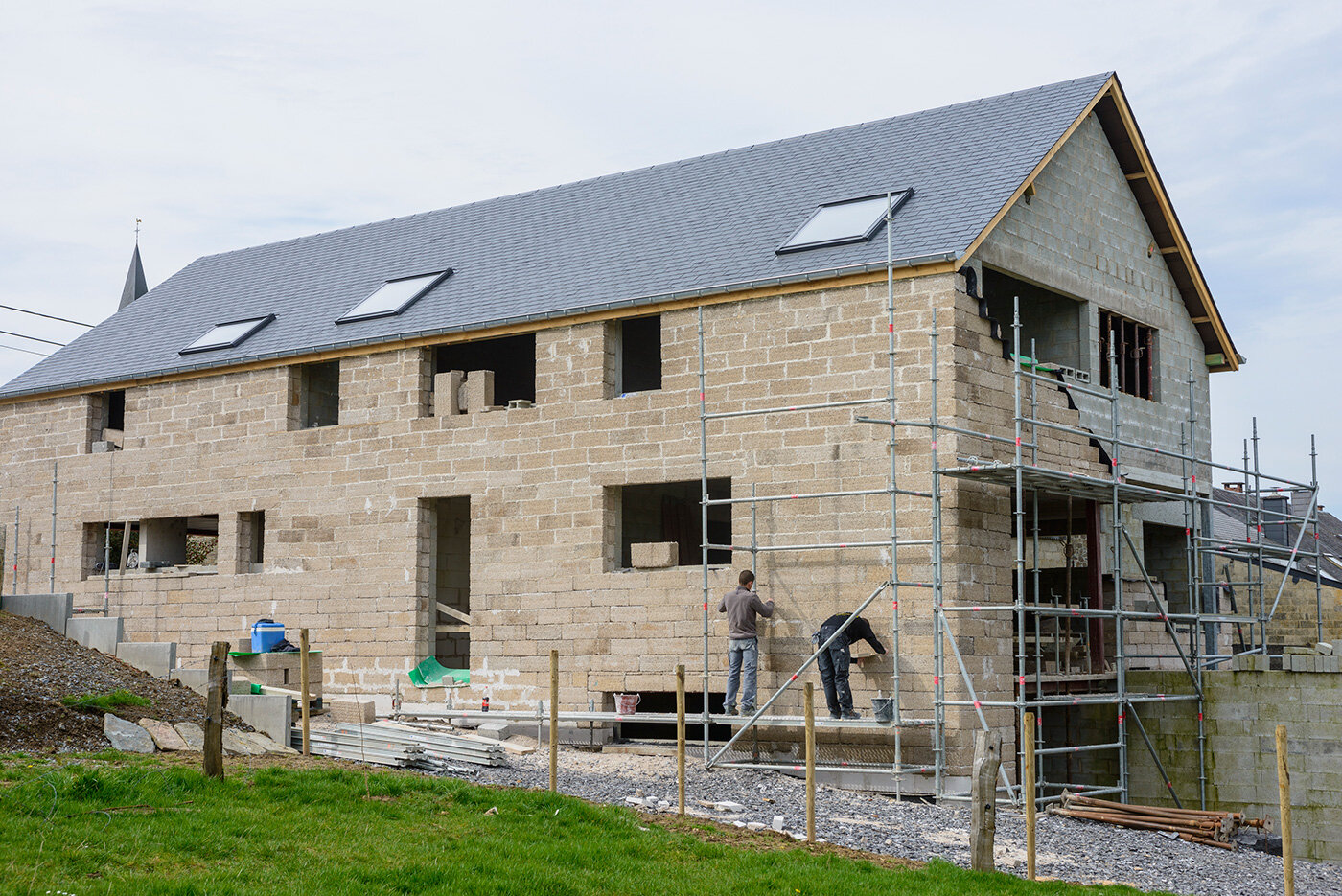
Regional House Edeghem by BC architects. Image © Thomas Noceto

Longer Construction Time

The production process of hempcrete is still slow unless ready-made hempcrete blocks are used. Since traditional material does not have a fast-drying and fast-producing structure like concrete, the length of the process also affects the construction time. Apart from the cultivation of Hemp, it is the drying time of the mixture that prolongs the process the most for the custom-made mortars or blocks, which can be taken into account for the construction time, which can also increase the cost.

Lower Structural Strength

Hempcrete typically has a density of 15% that of concrete and a compressive strength of around 1 MPa, or roughly 1/20 that of residential grade concrete. This means that a load-bearing structure made of a different material must be used in conjunction with hempcrete walls. Currently, hempcrete is widely used as an insulating material, as a coating, or as a wall material in buildings with different structural elements. In all these cases, due to its light structure, it becomes advantageous against many traditional materials and reduces the pressures on the carriers.

Use of Hempcrete

hempcrete 4
Image © Alain Vande Craen

Currently, hempcrete is becoming a popular plant-based material but is not yet widely used in every country. US, UK, and some European countries are among the examples where hempcrete architecture examples are seen. Apart from project-based productions, sales are also made with ready-made production. For example, the US-based company Hempitecture provides consultancy on projects sells powder and mixed products for special productions, produces cast-in pieces, and also sells ready-made hempcrete blocks. Various companies that provide this service, such as Hempitecture, are still in the minority. The support of these companies is an important step for the use of hempcrete in buildings. Recently, the search for alternative materials has increased due to ecological concerns, and we are encountering architectural projects implemented using hempcrete with environmental awareness, even if they are niche examples.


https://www.innovationnewsnetwork.com/hempblock-a-better-material-for-energy-efficient-buildings/5916/

HempBlock: a better material for energy efficient buildings

Dave Burkey from iHemp USA LLC explains how the HempBlock can provide a better material for energy efficient buildings.

There is a problem with buildings in the United States and, indeed, other countries around the world. For centuries in the USA (and, it should be noted, this method of building is not limited to the USA, but is the preferred method in many other countries, too), builders have been creating ‘stick buildings’. These inefficient structures are built on a concrete slab using 2×4 or 2×6 timber to create the frame. This frame is then filled with fiberglass insulation in an attempt to create more energy efficient buildings. Structures built in this way are very inefficient, are expensive to heat and cool, and the materials used to build them ‘off-gas’(that is, they can give off a chemical, especially a harmful one, in the form of a gas) and are therefore bad for the environment and can also pose health problems.

In many mid-eastern countries, the majority of structures are made from concrete because these areas lack the natural resources (forests) required to provide the materials (timber) necessary to build ‘stick buildings’. However, the use of concrete also causes off-gassing, which pollutes the air and causes many health problems.

Of course, everyone wants to be healthy and feel safe in the building they are in, whether this be their home, school, place of work, and so on. And yet, these buildings, as a result of the way they have been constructed, could be making them sick. The solution: go back to natural building.

How can Hempcrete and the HempBlock play a role?

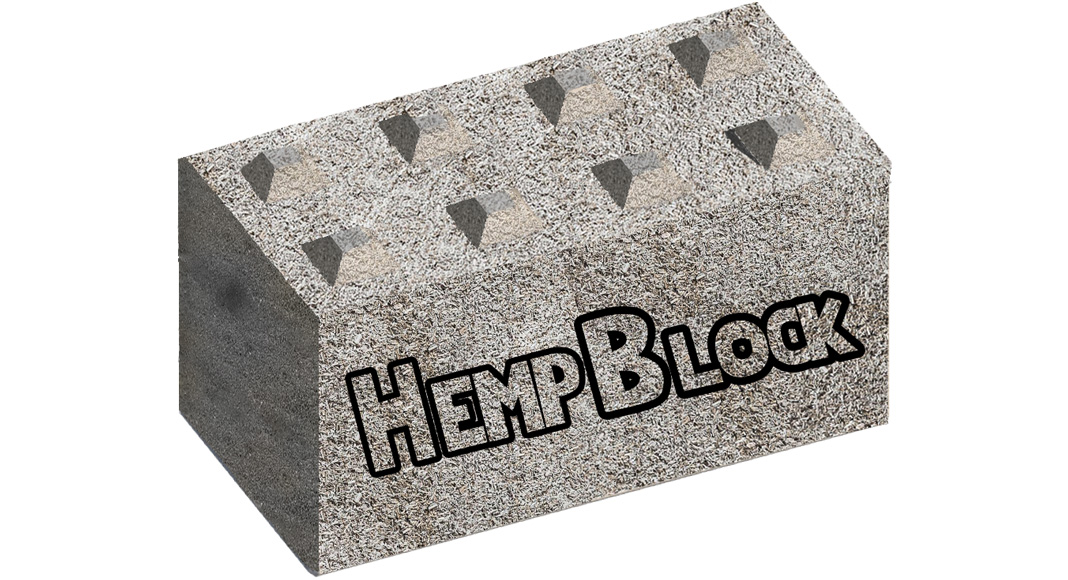
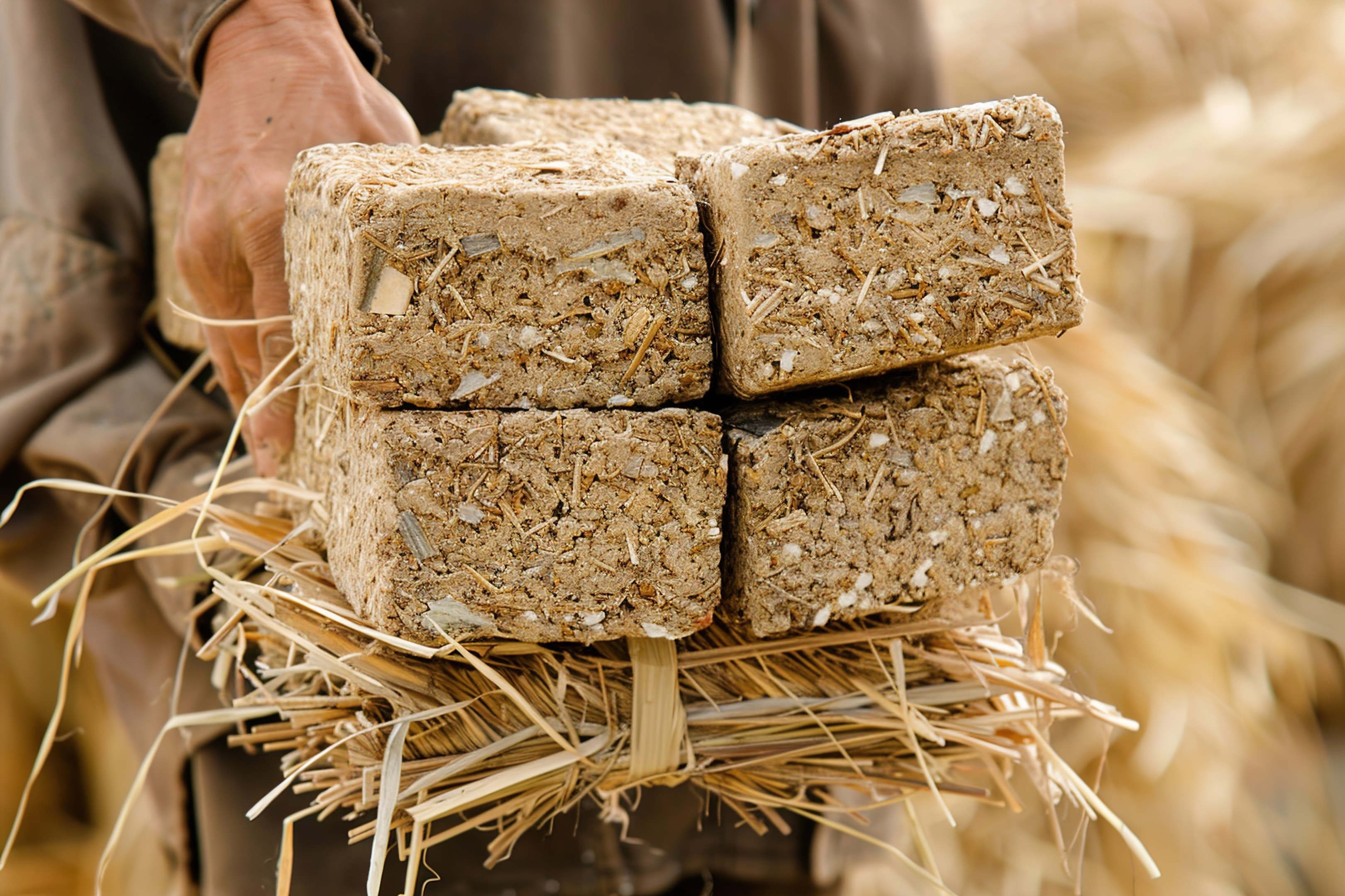
The HempBlock is a load-bearing block made of a Hempcrete-type mixture. Hempcrete is a bio-composite building material made of the inner woody core (shiv or hurd) of the hemp plant, which has been mixed with a lime-based binder and water. When it is cured, it becomes as hard as a rock, and yet it also remains porous.

Using the HempBlock in the construction industry would provide a green, renewable, sustainable way of building. Indeed, we believe that the HempBlock could come to replace concrete, wood, cinderblock, brick, steel, and other methods of building in the future. This is crucial because the current way of building, particularly with regard to the ‘stick buildings’ which are so popular in the USA and other parts of the world, is simply not sustainable. Millions of trees are used to create these buildings and, of course, trees can take a long time to grow, meaning that there just aren’t enough trees for this particular building method to continue indefinitely (and, of course, this is not even mentioning the environmental impacts of logging and deforestation that result from the sheer amount of timber required by the building industry in its current form).

Hemp, however, offers a more sustainable alternative. Hemp can grow to maturity in just three-to-five months and, what is more, hemp does not off-gas like other building materials such as concrete (lime is a natural binder that has been used for thousands of years to create buildings).

energy efficient buildings

What are some of the advantages of Hempcrete?

Some of the other advantages of using Hempcrete include:

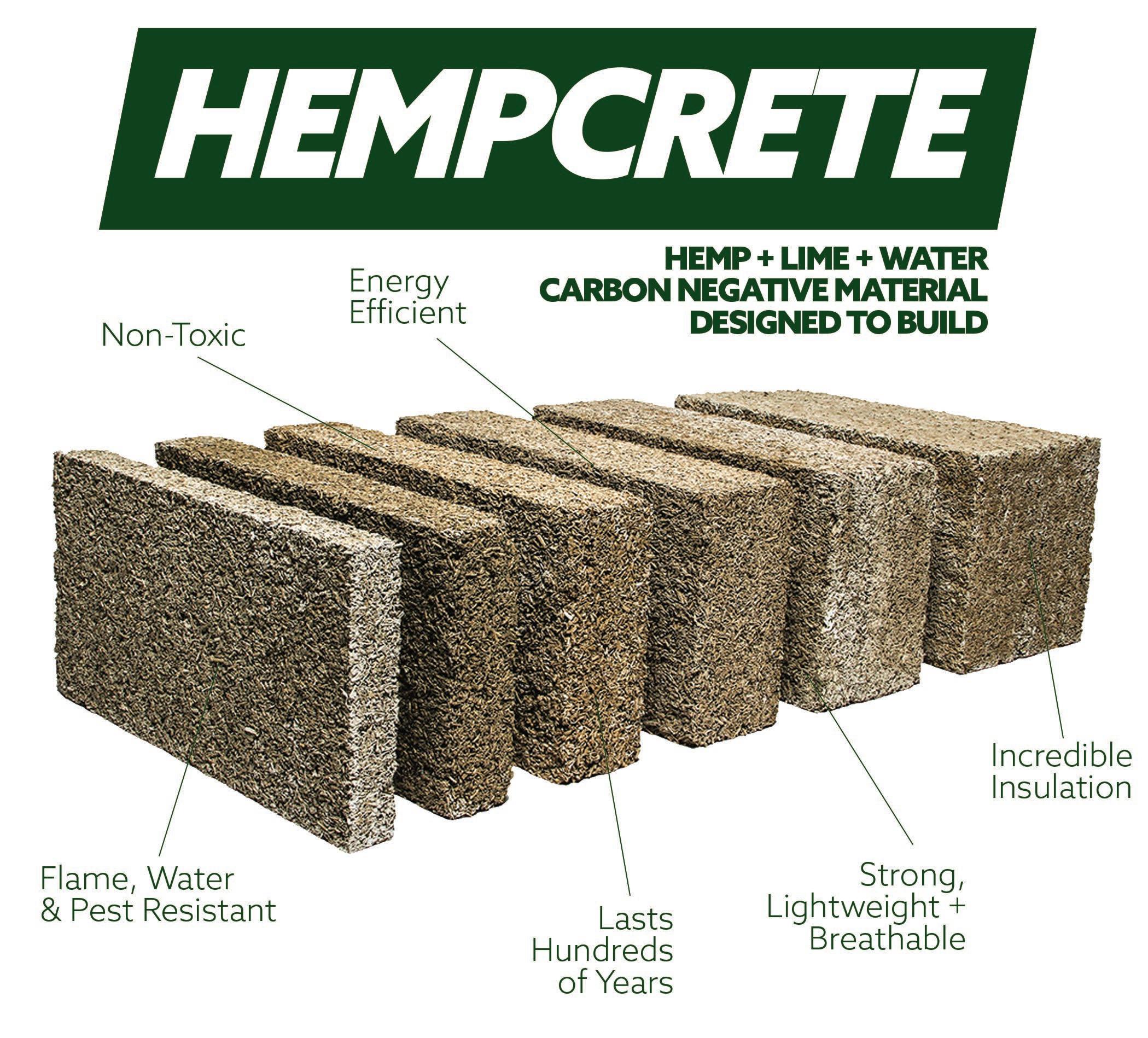
  • Non-toxic;
  • No off-gassing;
  • No solvents;
  • High vapour permeability;
  • Humidity control;
  • Durable;
  • Sustainable;
  • Carbon sequestration;
  • Fire resistance;
  • Pest resistant;
  • Mould resistant;
  • Passive self-regulation of temperature and humidity; and
  • Excellent insulator.

Why is the HempBlock is even better than standard Hempcrete?

The problem with traditional Hempcrete is that it is not used as a structural element, i.e. it is not load-bearing. As a result, traditional Hempcrete is only used as insulating infill between the frame members. This is nevertheless positive, however, as the result is a lightweight insulating material ideal for most climates as it combines insulation and thermal mass.

An additional problem with traditional Hempcrete is that it takes decades to fully cure. Because of this, it needs a frame to support the building, and this frame is usually made of wood. However, when it is fully cured, it continues to have all of the qualities described above whilst also being as solid as rock and able to last many centuries. And yet, because of the curing time, this does not do away with the need for the use of timber in the initial building construction, and thus the other environmental and sustainability issues that runs tandem to the overuse of wood in the building industry.

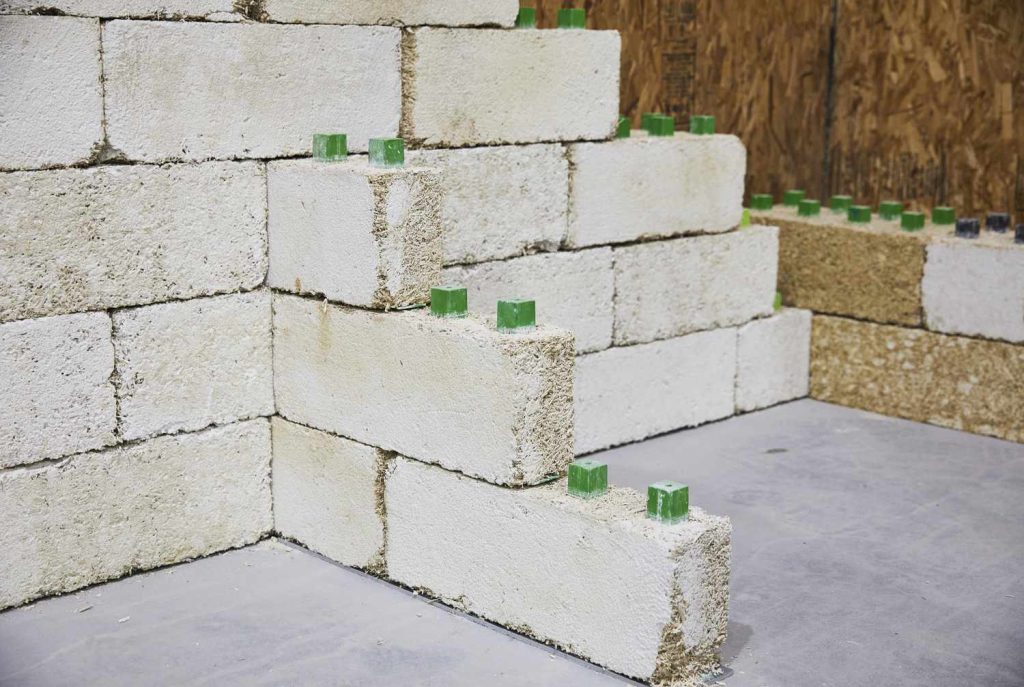
However, by using Hempcrete in block form means that they are much more easily used in construction – almost like creating a building with giant Hempcrete Legos. Indeed, by using HempBlocks, it is possible to build a simple house within just a single day!

energy efficient buildings

The current market

Currently, there are numerous companies able to make hempcrete bricks. These are created in various different ways. These include:

  • Adding the slurry into wooden forms and leaving them to dry;
  • Using machines to press the Hempcrete into brick form before leaving them to cure; and
  • Using supporting structures (such as 2×2 timbers) within the bricks so that they can be used for load-bearing walls immediately (however, the bricks which do not include a wooden support structure will still require a frame for structural support).

HempBlock on the other hand, fixes this problem. HempBlock will be formulated with Hemp Hurd, lime, water, and other natural ingredients (the quantities and mixture of the ingredients are still to be determined as the product is still under research and development). These blocks will cure much faster than regular Hempcrete, (at the time of writing, the exact time is currently unknown, but we anticipate that this will be within a week), and will be able to withstand roof and snow loads as well as strong winds (that is, they will certainly be load-bearing).

Uses for the HempBlock

Hemp block is a building material that has many uses. When it comes to building homes, any home that can be built with wood or bricks can be built with HempBlock. But it can be done much quicker if HempBlocks are used.

With regard to other buildings: due to the fact that HempBlock is load-bearing and cured, it is possible for them to be used for any building type – from stores, to schools to government buildings, warehouses, apartment buildings, and so on.

It is also important to note that HempBlocks can be used anywhere in the world. Since HempBlocks are in a cured state, they can be seen as being similar to porous rock and therefore work in any weather condition. The fact that it will be possible for them to be shipped to or manufactured in any part of the world means that they will be particularly useful in countries and regions which don’t have many trees for use in timber buildings.

HempBlock also has a high R-value (the exact R-Value is yet to be determined, but is expected to be around 40-60), meaning that the amount of energy (and thus the cost involved) necessary to heat and/or cool a building will be negligible. Indeed, the insulation factor of the HempBlock keeps the structure at a steady temperature and so, of there is any need to heat or cool the building at all, this will only ever be minor (depending, of course, on the area in which the building has been constructed). This stands to save people thousands of dollars in energy bills.2

energy efficient buildings

Even more benefits

As previously mentioned, HempBlocks are able to be stacked like giant Lego bricks (although, of course, they are significantly larger), making construction much easier that the traditional method, as well as making construction much quicker. Furthermore, they are a lot lighter than a concrete or cinderblock of the same size. The estimated dimensions of a single HempBlock are: 1ft wide x 1ft high x 2ft long.

When using these blocks, the need for a wooden frame is practically zero (although, of course, wooden frames may still be necessary for windows and doors, as well as for decorative effects). Because HempBlocks turn to petrified rock, they will last for centuries, and they also contain the necessary holes for the running of water and electrical lines, the inclusion of electrical devices such as switches and outlets and water lines and devices. Furthermore, these devices are easy to install.

HempBlocks can also be formed in whatever shape the builder requires, making construction even easier, and, moving forwards, we hope to be able to use large-scale 3D printers to build HempBlock buildings.

Research and Development

iHempUSA LLC is currently in the research and development stage of this product (and so things like the PSI rating are thus far undetermined) and hopes to have a viable product by the spring of next year (2021). However, additional capital is required for this to be successful. This funding will be used to purchase the ingredients and to formulate the mixture (along with, of course, the many other business expenses involved in developing a new and innovative product).

Thus, as I continue to work on putting together a team to help develop HempBlock, I am also looking for investors to invest in this amazing product and would love to hear from anyone who has an interest.

References

  1. https://www.greens.build/blogs/greensblog/off-gassing-what-it-is-how-to-avoid-it/
  2. The energy efficiency of the building will, of course, also depend on the amount of heat that is able to leak from windows and doors, and so this should also be taken into consideration when constructing the building (in the same way as it is in traditional construction)

Dave Burkey
iHemp USA LLC
+1 720 585 5070
info@ihempusa.com
www.ihempusa.com

Please note, this article will also appear in the second edition of our new quarterly publication.

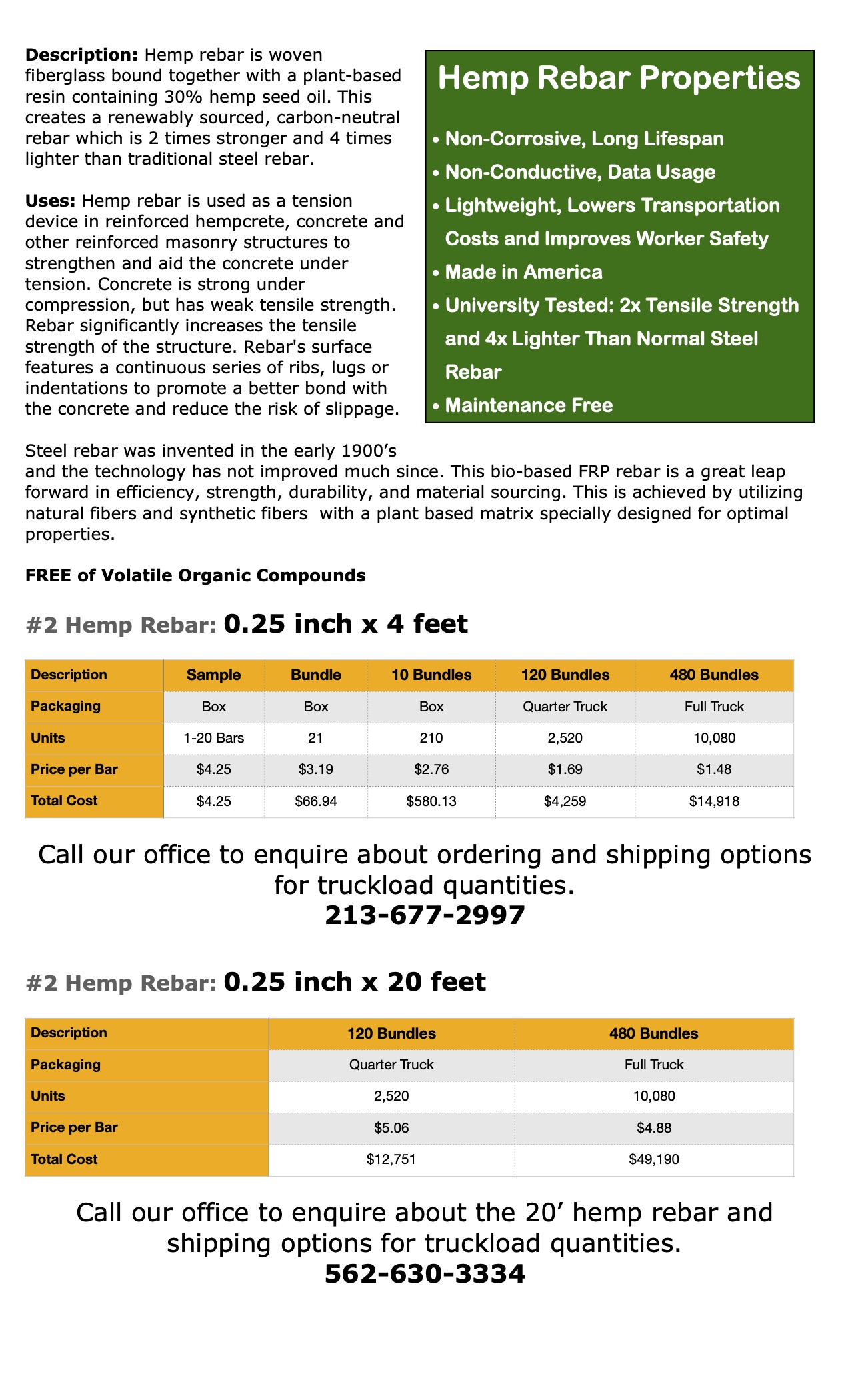
https://www.hemptraders.com/REBAR2-4-p/rebar2-4.htmHome > Hemp Products >
#2 Hemp Rebar 0.25 inch
 Larger Photo
 
ORDER#: REBAR2-4
#2 Hemp Rebar, 0.25 inch x 4 feet
As low as $1.48/Bar
Price is per Bar
Retail Price: $4.25

Stock Status:(Out of Stock)
Qty:

 View quantity discounts  
Description


https://www.sciencedirect.com/science/article/pii/S0360132324003123

A holistic sustainability overview of hemp as building and highway construction materials

https://doi.org/10.1016/j.buildenv.2024.111470Get rights and content
Under a Creative Commons license
open access

Highlights

  • The vast potential of hemp-based materials across built environment is explored.
  • Its economic, social and environmental factors and impacts are evaluated.
  • UK hemp projects showcase eco-friendly, carbon-friendly credentials.
  • Hemp reinforcement shows promise in enhancing sustainable asphalt mixes.
  • Hempcrete industry has the potential to yield various socio-economic advantages.

Abstract

The construction sector, responsible for over one-third of global carbon emissions, is increasingly focusing on hemp-based construction materials to alleviate the environmental impact in the built environment; however, the lack of information and streamlined processes hinder widespread adoption. By conducting a comprehensive review of state-of-the-art research, this study explores the vast potential of hemp-based materials across the built environment, encompassing building and transportation applications. In this study, the material properties and application of hemp lime concrete for buildings, along with hemp fibre in asphalt for highways, are discussed, and crucial research gaps and technical challenges are identified. Employing a holistic sustainability approach, the material evaluation considers economic, social, and environmental factors. Notable hemp construction projects are presented as case studies, emphasising their environmental carbon credentials. Furthermore, technoeconomic challenges are scrutinised, and effective solutions are proposed. Beyond its role as a wall material, hempcrete's significant application as building insulation material is highlighted due to its exceptional hygrothermal properties. The material also shows promise in enhancing asphalt mix for pavement construction. Evidence from life cycle analysis supports the claim that hempcrete can be considered a carbon-negative material. Moreover, the findings indicate that the hempcrete industry has the potential to yield various macroeconomic and socio-economic advantages, including job creation, enhancing energy access, alleviating cost of energy, and improved societal health and well-being.

Keywords

Hempcrete
Hemp fibre
Building
Pavement
Environmental
Socioeconomic
Technoeconomic

1. Introduction and background

Climate change, a profound long-term shift in global or regional climate patterns, is reshaping the world as we know it. While the Earth's climate has undergone fluctuations throughout history, the current warming trend is unparalleled in its speed and is primarily driven by human activities. The construction sector, which encompasses a wide spectrum of activities, holds a significant responsibility in the global greenhouse gas emissions [1,2]. The 2022 Global Status Report for Buildings and Construction states that the construction sector is responsible for 36% of final energy use and 39% of energy and process-related carbon dioxide (CO2) emissions globally [3]. Which is validated by the Global Alliance for Buildings and Construction and the World Green Building Council (WGBC), making it the third-largest emitter after energy and transportation [2]. The environmental impact can, in part, be attributed to the energy-intensive production of construction materials such as cement, steel, and aluminium. Among these, cement manufacturing stands out as a primary contributor to carbon emissions within the industry [[4][5][6]], emitting roughly one tonne of CO2 for every tonne of ordinary Portland cement produced [7].
The effects of climate change are being felt worldwide, with global temperatures having surged by approximately 1 °C since the pre-industrial era (1850–1900) and are projected to increase by 2.1–3.5 °C by the end of the century under a business-as-usual scenario [8]. The 2015 Paris Agreement, formed under the UNFCCC, seeks to cap global warming below 2 °C, with a more ambitious goal of 1.5 °C. Signatory nations have submitted their Nationally Determined Contributions (NDCs), outlining tailored strategies to cut greenhouse gas emissions, including CO2. At COP26 in 2021, over 110 countries committed to achieving net-zero emissions by 2050. These pledges vary, with some legally binding and others voluntary. Ambition levels differ, illustrated by the UK's aim for a 78% emissions reduction by 2035 and complete carbon neutrality by 2050 [9], contrasting with Denmark's target of a 70% reduction by 2030 en route to net-zero emissions [10].
Buildings emit carbon not only during their operational phase (heating, cooling, lighting, and other energy-intensive activities) but also through the entire lifecycle, including the extraction, transportation, manufacturing, installation, maintenance, and disposal of materials, a factor known as ‘embodied carbon.’ This component is gaining importance and can contribute up to 50% of a building's total emissions [11]. Consequently, there is a growing emphasis on sustainable construction methods, energy-efficient designs, the use of low-carbon materials, and renewable energy sources to mitigate these emissions. In this context, bio-based materials are emerging as a promising avenue for minimising both operational and embodied carbon emissions while also reducing the depletion of non-renewable resources [[3][4][5][6][7][8][9][10][11][12]]. Among various fibrous crops suitable for bio-based materials, industrial hemp stands out. It boasts rapid growth, resilience to diverse climates, and exceptional thermal, hygric, and acoustic insulation properties [12].
Lime-Hemp Concrete (LHC), commonly known as Hempcrete, has emerged as an eco-friendly material in the construction industry [12]. The key components of this eco-friendly material are hemp shives (the inner woody fibres of the hemp plant), lime (usually in the form of lime binder or hydrated lime), and water. Hemp shives possess low thermal conductivity and are lightweight, making them effective thermal insulators owing to their high porosity [13]. Moreover, monolithic wall construction with hemp-lime not only offers air tightness but also improves air quality due to the wall's hygroscopic properties [14]. Another significant reason hempcrete is increasingly popular and used as an alternative construction material is its ability to absorb CO2, primarily through a process called carbon sequestration [15,16]. Hemp plants and shives absorb CO2 from the atmosphere as they grow, converting it into carbon through photosynthesis [16,17]. When these shives are used as the aggregate in hempcrete, this carbon remains stored within the material. Additionally, lime, mixed with water to create a binder in hempcrete, undergoes carbonation, gradually absorbing CO2 from the air and converting it into calcium carbonate [14]. This process further locks carbon within the material. Consequently, hempcrete not only has a low carbon footprint due to sustainable hemp growth but also actively captures and stores additional carbon throughout its lifecycle [[16][17][18]].
The growing emphasis by governments on adopting environmentally friendly practices is not confined to building construction but extends to roads and infrastructure sectors [19,20]. Another challenge facing this expanding sector is maintaining the resilience of existing road networks amidst severe environmental conditions and extreme weather events brought on by climate change [21,22], all while operating with limited financial resources. To grasp the scale of this challenge, consider the UK as an example: the local road network in England and Wales is contending with a backlog of carriageway repairs estimated at £14 billion, reported in the 2023 Annual Local Authority Road Maintenance (ALARM) survey [23]. This figure has increased by approximately £4 billion since 2022 due to a decrease in the average carriageway maintenance budget.
A key method to achieve carbon reduction targets and bolster road resilience is through innovative materials. This involves creating and using durable materials and nature-based solutions, cutting costs, and enhancing long-term performance while sequestering carbon in infrastructure. Fortunately, there is room for making transformative changes in the asphalt pavement industry today to meet its sustainable goals. Examples of such transformative changes include alterations in highway work specifications and legislations to permit use of greener mixtures that require less energy during production and layout (e.g., warm and cold asphalt mixtures), or those that provide surface water attenuation and reduce noise pollution (e.g., porous asphalt) [24]. However, these innovative solutions come with their own set of issues, they are more prone to permanent deformations and have a shorter life span compared to hot mix asphalt roads or dense-graded mixtures. To address these issues and expand the applicability of such mixtures on a broader scale, the use of natural fibres, such as hemp, holds promise as they can potentially increase the mechanical performance of asphalt mixtures while also serving as carbon sink material.
In addition to the technical aspects, it is crucial to incorporate economic factors into the development of hemp-constructed infrastructure. These factors are fundamentally influenced by numerous elements of supply and demand sides, impacting investment decision making. The supply side of hemp-constructed products consists of economic factors that increase the capacity of production by ensuring that hemp production fibre provides a reasonable incremental rate of return for investors in various stages of the supply chain, spanning from hemp farming and hempcrete block production to construction of buildings [25]. On the demand side of developing sustainable construction materials, the affordability of hemp-constructed buildings for occupants, whether buyers or tenants, is a key consideration. From the occupant's standpoint, the benefits of a hemp-constructed building, particularly in terms of energy savings, must outweigh its initial cost [26]. Furthermore, hempcrete can potentially offer a wider socioeconomic benefit which should be identified and incorporated into the decision-making process. These benefits, which are primarily related to sustainability, could not be fully captured by the market, a situation referred to ‘market failure’. Particularly, hempcrete development could enhance energy efficiency of building contributes to improving energy access and fostering societal health and well-being. Creating employment across the supply chain is another socioeconomic benefit of hempcrete which can empower local economy and contribute to macroeconomy.

2. Research scope and methodology

2.1. Research motivation and scope

The global status report for buildings and construction published by UNEP in 2022 [3] indicates that the decarbonisation and sustainability transition of the built environment is "not on track," with building operational emissions surpassing the 2019 peak. The concurrent economic, energy, security, and climate crises pose a significant challenge to the necessary progress for decarbonisation and resilience improvement in the global buildings and construction sector. In response to this concern, the authors of this article, who come from multidisciplinary backgrounds, adopt a holistic approach, delving into both the engineering and economic aspects of bio-based alternative construction material, hemp fibre.
While there are only a few existing review papers on the performance of hempcrete [[27][28][29][30]], none of them considers the entire built infrastructure (both building and transportation) or discusses the holistic sustainability (economic, social, and environmental) and challenges faced by the hemp industry. To comprehensively address these research gaps, specific research objectives have been outlined.
The first objective involves conducting an in-depth analysis, providing a detailed exploration of hemp fibre characteristics and its suitability as a construction material in building and highway applications. The mechanical and energy performance of hemp lime concrete is thoroughly discussed, presenting its applicability as a sustainable building construction material to enhance confidence among designers and home builders. The focus on asphalt within the highway engineering context stems from its widespread usage and sustainable aspects, being the surfacing material for over 95% of all UK roads [31]. This paper sheds light on incorporating hemp fibre as a reinforcement material in asphalt mixtures for road production and maintenance, discussing recent advancements in utilising hemp in the UK construction industry along with a few case studies.
Advancing to the next objective, the second aim of this study is to assess the overall sustainability of hemp-based construction materials within the industry. This evaluation encompasses a thorough analysis of environmental, macroeconomic, and socioeconomic impacts. In addition to scrutinising the environmental impact in terms of carbon credentials, this paper explores the effects of hempcrete on gross domestic product (GDP) and energy security, identifying them as primary macroeconomic impacts. Furthermore, it delves into socioeconomic impacts such as climate mitigation, energy conservation, and the generation of employment opportunities.
Lastly, the third objective is to identify existing research gaps while addressing the techno-economic challenges of this bio-based material. By systematically reviewing the hemp industry, this paper highlights its potential to boost sustainability in construction. Offering insights and pinpointing areas for improvement, it contributes to advancing sustainable practices in the construction sector and the built environment overall.
This comprehensive literature review paper serves to educate engineers, builders, entrepreneurs, industry leaders, and policymakers about the potential of hemp fibre in building and highway construction, presenting it as an alternative bio-construction material to reduce the carbon footprint and explore its economic sustainability. The paper aligns with three sustainable development goals of the United Nations [32]: Goal 9, to build resilient infrastructure, promote inclusive and sustainable industrialisation, and foster innovation; Goal 11, to make cities and human settlements inclusive, safe, resilient, and sustainable; and Goal 12, to ensure sustainable consumption and production patterns.

2.2. Research methodology

This research, employing a thorough desk-based methodology, encompasses a diverse range of sources. The primary objective is to succinctly compile and synthesise findings from existing research regarding the potential and challenges associated with hemp fibres in the built infrastructure, aligning with the objectives outlined in section 2.1. Our search specifically targeted articles published in English. Various combinations of terms, such as ‘industrial hemp,’ ‘hempcrete,’ ‘hemp concrete,’ ‘hemp-lime,’ ‘hemp fibre-reinforcement,’ ‘asphalt pavement,’ ‘natural fibres,’ ‘asphalt mixtures,’ ‘fibre-modified binder,’ ‘bioenergy,’ ‘energy economics,’ ‘macroeconomy’, and ‘financing model’, were employed during the search process.
Fig. 1 displays the yearly count of relevant published articles found over the past 20 years. The data reveals a gradual increase in publications. The searches were not restricted solely to published academic journals; ‘grey literature,’ including reports from intergovernmental organisations like the United Nations and the International Energy Agency, as well as government-published data such as Eurostat and HMRC data, online news articles, and market research reports, were also considered. For academic journals, the primary search engines utilised were Google Scholar, Web of Science, and Crossref. Beyond the comprehensive literature review study that presents factual information, the authors leveraged their extensive experience in the field to formulate and establish their informed opinions.
Fig. 1
  1. Download: Download high-res image (225KB)
  2. Download: Download full-size image
Fig. 1

3. Hempcrete in building construction

3.1. General

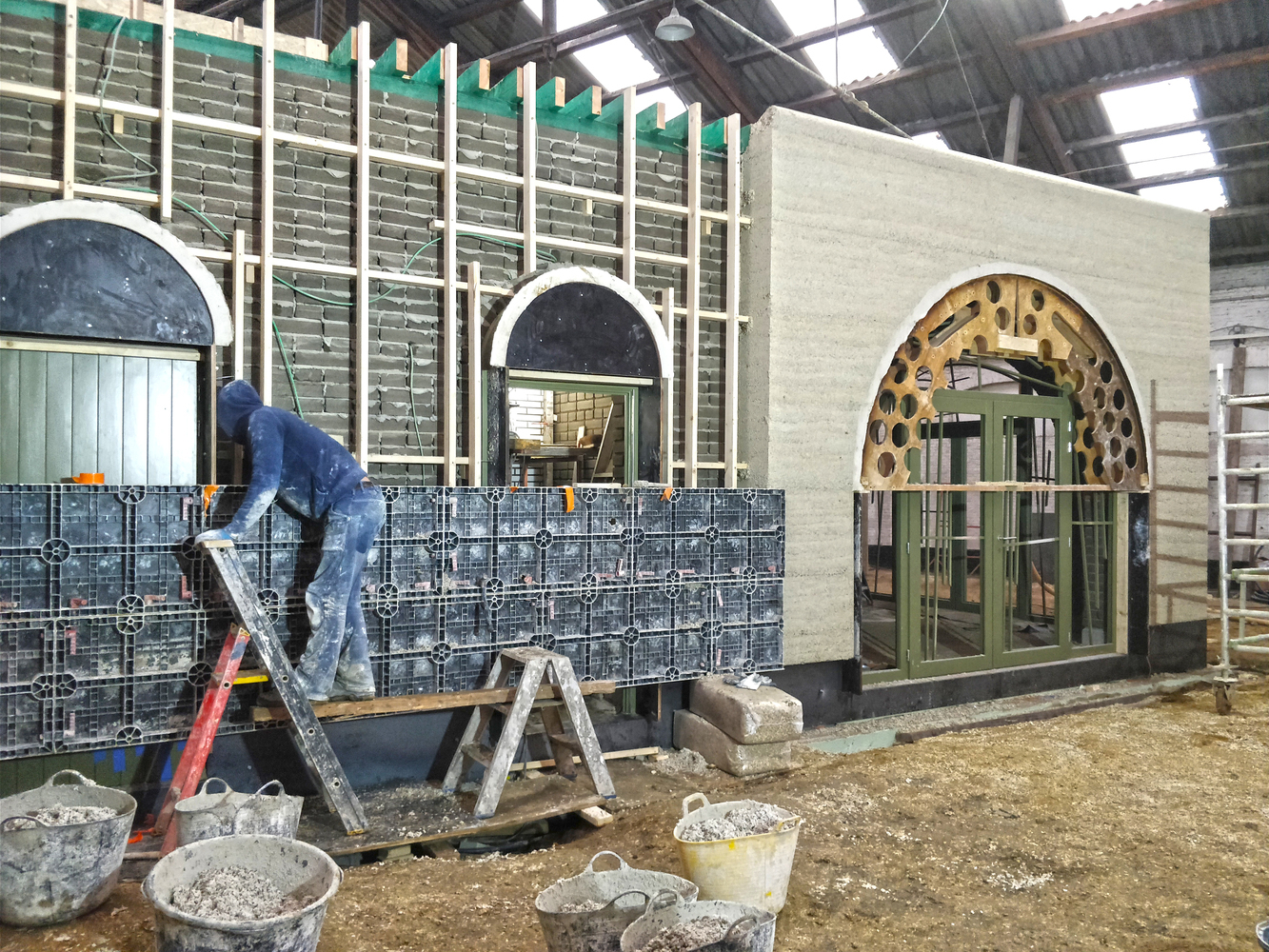
Lime hemp concrete (hempcrete) is made using a mix of fluid phases (air and water) and solid phases (hemp shiv and binder). Achieving the correct mix design is crucial for its performance. The hemp stalks, also known as hemp straw, are put through a hammer mill or a decorticator to be broken down into small particles, with a maximum size of 40 ± 5 mm or even smaller. The typical binder used in this process is mainly hydrated lime, along with some pozzolanic material or a commercial hydraulic lime-based binder. For off-site casting, hempcrete is meticulously prepared in planetary or helical mixers to ensure proper mixing without forming lumps. For precast blocks, the mixture is poured into moulds and cured for a specific duration, generally 28–45 days, depending on the chosen mineral binder [[33][34][35]]. Two methods for constructing hempcrete on-site are pouring the mix into a form (wall, floor, roof, or other target areas) or spraying it using a projection process. However, both methods have limitations in compaction and maturation control. Proper compaction with a tamping rod or external compacting stresses is vital, as hemp shives have low density and do not self-compact. Although the low energy consumption in both in-situ and ex-situ manufacturing makes hempcrete an environmentally friendly choice, further research on developing self-compacting hempcrete may significantly reduce the carbon footprint of this material. Research on hemp concrete made through the projection process reveals inconsistent mechanical behaviour and material anisotropy [33]. However, modifying the process with lime slurry can lead to faster drying, but it requires skilled personnel (depending heavily on visual approximation) and has some drawbacks (material tends to favour a specific orientation, leading to more anisotropy) [35]. Despite its challenges, the projection process shows higher compressive strength in the direction perpendicular to the projection. While various manufacturing processes for hempcrete hold merit, the most suitable method depends on the building design and skeleton. In multi-storied structures with reinforced cement concrete or steel skeletons, prefabricated hemp concrete blocks or panels are preferred. However, for smaller structures, any form of hempcrete can be used. Notably, the infill density and thermal conductivity of hempcrete play vital roles in achieving desired results.
Beyond walls, hempcrete finds applications in roof insulation and flooring. Roof insulation requires lower density (200–250 kg/m3) and thermal conductivity, while flooring demands higher density (approx. 500 kg/m3). Walls and roofing applications must meet minimum compressive strength and elastic modulus criteria for stability and performance. The following section 3.2 discusses hempcrete material characterisation, covering strength, hygrothermal, and durability characteristics. Understanding these factors is crucial to assess the suitability and applicability of hempcrete as a building construction material.

3.2. Hempcrete material properties

3.2.1. Binder compositions

When hemp is converted into a building material, hempcrete, it relies on an essential component known as the binder. The binder plays a crucial role in providing cohesion and strength to the hemp shives, ultimately shaping the overall performance of hempcrete structures. Lime-based binders have emerged as the preferred choice due to their abundance, low emissions during production, and compatibility with hemp shives [34].
Lime binders used in hempcrete can be categorised into two types: hydraulic lime and non-hydraulic lime (aka calcic limes). Hydraulic lime sets when exposed to water, forming stable calcium silica hydrates (C–S–H) and contributing to a permanent and hardened gel compound [36]. On the other hand, non-hydraulic limes harden slowly through carbonation, which involves the absorption of CO2 from the atmosphere to form stable calcium carbonate. Hydrated lime, Ca(OH)2, stands out as the most common binding agent in hempcrete. Lime exhibits excellent hydraulicity, allowing it to harden and set in the presence of water. Lime's high water absorption capacity poses advantages for hempcrete, as it prevents the inner parts of the composite from setting properly, ensuring proper curing and drying. To optimise the performance (enhance the strength and setting characteristics) of hempcrete, researchers have explored different binder compositions and lime's reactivity with pozzolanic materials, such as fly ash, ground granulated blast furnace slag (GGBS), and metakaolin [[34][35][36][37]]. It has been observed that adding around 25% of hydraulic and pozzolanic content enhances the overall performance of hempcrete; however, lime shows better reactivity with GGBS and metakaolin than with other materials like pulverized fuel ash (PFA) [34]. To overcome limited reactivity, activators such as sodium sulphate (Na2SO4) and calcium chloride (CaCl2) can be added to lime-PFA mixtures, promoting the formation of C–S–H, ettringite, and mono-sulpho-aluminate. These compounds significantly improve the early strength and 28-day strength of the hempcrete composite [[34][35][36][37][38]].
Apart from lime-based binders, researchers have explored alternative options to enhance the performance of hempcrete. One such notable binder is a patented composition consisting of magnesium oxidemagnesium sulphate or chloride solution, and a reactive vegetable protein [39]. This binder has demonstrated exceptional mechanical properties in hemp composites. Magnesium-based binders, including magnesium oxychloride cement and magnesium phosphate cement, have also shown promise in increasing the strength of hempcrete [40]. These binders exhibit higher compatibility with organic fillers compared to calcium binders, offering advantages in terms of setting time and compatibility with bio-based products. Despite receiving less attention than lime, magnesium-based binders have displayed excellent strength, fire resistance, and compatibility with organic aggregates [40,41].

3.2.2. Density

Hempcrete, comprised of hemp shives and binders, demonstrates density variations influenced by factors including the quantity and quality of materials, such as shiv size and porosity, the degree of compaction energy applied during construction, and the proportion of binder in the mixture.
Unlike standardised construction materials like concrete, hempcrete exhibits significant density variations. The mass composition of the composites and alterations in the manufacturing process contribute to these variations. In the context of in-wall applications, the density of hempcrete can range from 400 to 500 kg/m3 when employing on-site pouring methods. However, utilising the spray method results in lower densities, typically falling within the range of 200–250 kg/m3 [42]. The compaction process plays a crucial role in determining the density of hempcrete. Several studies emphasise the importance of compaction, with Nguyen et al. demonstrating that well-compacted hempcrete exhibits higher density. An increase in the compactness ratio from 0.52 to 0.60 results in an increase in density from 816 kg/m3 to 920 kg/m3 [43]. In addition, the spatial orientation of the hempcrete within the volume can influence its density [43]. This inherent variability necessitates a thorough understanding of the manufacturing processes and the parameters affecting density to achieve consistent and desired density levels. Density variations in hempcrete have implications for its thermal performance. Studies have demonstrated that for every 50 kg/m3 increase in density, the thermal conductivity of hempcrete rises by approximately 0.005 W/m.K [44].

3.2.3. Compressive strength

Compressive strength is a critical mechanical property to assess the structural performance of hempcrete. Murphy et al. [45] explored the mechanical properties of hemp concrete using commercial binders and hydrated calcitic lime. Their research revealed that composites made with commercial hydraulic binders displayed higher ultimate compressive strengths compared to those made with hydrated calcitic lime. For instance, specimens comprising 10% hemp and 90% commercial binder demonstrated approximately 5.5 times greater strength than equivalent specimens with 10% hemp and 90% calcitic lime binder [45]. Moreover, increasing the concentration of the binder in hemp concrete led to an enhancement in its compressive strength. This underscores the importance of binder composition in achieving higher strength properties. Similarly, Cigasova et al. [46]. demonstrated that the use of alternative binders, such as a magnesium oxide-based cementitious binder, results in a compressive strength range of 1.86–6.94 MPa, depending on the days of hardening. The highest compressive strength value was achieved after 180 days of hardening. Compaction techniques were also identified as an important factor influencing compressive strength. Elfordy et al. [33] and Nguyen et al. [43] both noted that proper compaction can improve the mechanical strength of hempcrete. Elfordy et al. [33] observed a correlation between density, compressive strength, and compaction, highlighting that higher-density mixes exhibited higher compressive strengths, as depicted in Fig. 2, which illustrates the variation of compressive strength and hardness with density from their study.
Fig. 2
  1. Download: Download high-res image (163KB)
  2. Download: Download full-size image
Fig. 2
In addition to binder composition and compaction, the hemp content in the mixture has been examined for its effect on compressive strength. Increasing the volumetric hemp content beyond a 3:1 ratio did not significantly influence the compressive strength, as observed by O'Dowd and Quinn [47]. This implies that the hemp content can be adjusted within a certain range without compromising the material's compressive strength significantly. However, it is important to note that the specific threshold for optimal hemp content may vary depending on other factors such as binder type, compaction techniques, and overall mixture proportions.
It is important to consider the limitations and differences between the studies that could contribute to variations in the findings of the researchers. Factors such as the use of different binders, variations in hemp content ratios, differences in hempcrete formulations, and variations in testing procedures can all contribute to the observed discrepancies. Moreover, the specific mechanical properties and characteristics of the hemp material itself can vary due to factors such as growing conditions, harvesting techniques, and processing methods, adding complexity to the interpretation of results. To advance the understanding and application of hempcrete in sustainable building construction, further research and development are necessary in particular on optimising binder compositions and considering the influence of other variables such as curing conditions and hemp shives gradations.

3.2.4. Flexural strength

A study conducted by Limecrete Products UK Limited [47], reported a flexural strength range of 0.30–0.40 MPa for their commercial hempcrete product. On the other hand, Sassoni et al. [39] examined hemp concrete's flexural strength using a patented binder. Their findings showed that the flexural strength ranged from as low as 0.90 MPa to as high as 17.47 MPa, depending on the density, which ranged from 330 to 1280 kg/m3. It is worth mentioning that certain hemp composites in this study were formulated as substitutes for formaldehyde-bonded wood boards, making a direct comparison with regular hemp concrete somewhat challenging. Elfordy et al. [33] observed a positive correlation between density and flexural strength in lime-hemp composites, with a 45% increase noted for densities ranging from 430 to 607 kg/m3. On the contrary, the samples with high hemp content exhibited slower flexural strength development compared to low hemp specimens, possibly attributed to the formation of hydration products in hydraulic binder mixes. Murphy et al. [45] conducted a comprehensive investigation on the mechanical behaviour and flexural strength development of different hemp composites over a 90-day period. These composites were made using hydrated lime and commercial binder with hydraulic and pozzolanic additions, at varying volumetric lime-hemp proportions. The study revealed that increasing the binder content by 25%–50% led to a corresponding increase in flexural strength. This suggests a potential contribution of lime-hemp bonds to the composite's flexural strength. Notably, commercial hempcrete samples exhibited higher flexural strength compared to those made with 90% calcitic lime binder. In several investigations [48,49], researchers explored the influence of hemp fibres on the flexural strength of lime, cement, and gypsum binders. Unlike brittle composites, hempcrete exhibits gradual load reduction after reaching peak load due to the progressive failure of the matrix-fibre bonds.

3.2.5. Thermal and hygrothermal characteristics

Hempcrete exhibits unique thermal and hygrothermal properties, which have been extensively studied. One essential aspect is its thermal conductivity, which is influenced by various factors, including the density, direction of compaction and binder content of the hemp concrete. The anisotropic nature of hemp shives contributes to thermal conductivity variations, with up to 30% higher thermal conductivity in the direction perpendicular to compaction [50]. To show the relationship between the density and the thermal characteristics, Arnaud et al. [51] reported that the thermal conductivity of hemp concrete varies between 0.06 and 0.18 W/m.K for dry densities ranging from 200 to 800 kg/m3. According to Nguyen et al. [43], the type of binder used in hemp concretes has minimal impact on their thermal properties. However, a study conducted by Sassoni et al. [39] showed that their proprietary binder has a thermal conductivity of 0.078 and 0.138 W/m.K for low density (330 kg/m3) and medium density (640 kg/m3) mixes, respectively. This indicates that as the amount of binder increases, so does the thermal conductivity.
The ability of hempcrete to regulate heat, moisture, and relative humidity makes it a promising material for green buildings. Hempcrete maintains a consistently high moisture diffusion coefficient and water vapour permeability of approximately 2.3 × 10−11 kg/(Pa m s) across low to mid relative humidity, and it excels in moisture buffering with a value (MBV) of 2 g/(m2.%RH), surpassing conventional concrete [52]. Hemp concrete is also known to have high thermal capacity as compared to conventional cement concrete. According to Evrard [53], hemp concrete has a specific heat capacity of about 1500 J/kg.K in a dry state and can go up to more than 2900 J/kg.K at about 99% relative humidity. In comparison, conventional cement concrete has a specific heat capacity of 800 J/kg.K to 1200 J/kg.K [54].
Hygrothermal performance is crucial for hempcrete's application in different climatic conditions. Piot et al. [55] conducted a study on a hemp concrete wall under outdoor climatic conditions and found that the choice of exterior rendering influenced the overall dryness of the hempcrete wall. External coatings or plasters that absorb water can increase the thermal conductivity of hempcrete and pose durability issues due to the presence of ‘perennial wetness’ within the wall. Furthermore, Ahlberg et al. [13] observed that the thermal transmittance (U-value) of hempcrete is directly related to its density and wall thickness as shown in Fig. 3. However, the density is primarily influenced by the compaction level during construction, while moisture content retained in the walls affects its thermal conductivity. Elevated relative humidity, associated with increased moisture content, might contribute to higher heat fluxes through the wall. This observation underscores the significance of tailoring hemp concrete compositions to align with the particular climate conditions of their application. Nevertheless, simply looking at U-values is not sufficient in evaluating the thermal efficiency of hemp-lime concrete, as they possess thermal inertia. This means they can retain and release heat over time. Therefore, it is crucial to take into account other dynamic features and Q24h, which measures the rate of heat transfer over a 24-h period. Furthermore, making hemp concrete that meets both low thermal diffusivity and high thermal effusivity criteria is challenging. Layered hemp concrete walls can be a solution to adapt this material to different environments [56].
Fig. 3
  1. Download: Download high-res image (245KB)
  2. Download: Download full-size image
Fig. 3
In some studies, researchers have tried to optimise the balance between thermal conductivity and strength as attempts to influence thermal conductivity may impact mechanical performance. A study [57] on hemp concrete with a silica sol (colloidal silicic acid) binder showed a thermal conductivity of 0.05 W/m.K, similar to hemp shives while preserving mechanical strength. The use of smaller particle-size hemp shives improves mechanical strength but has no effect on thermal conductivity [58].

3.2.6. Durability

The durability properties of hemp concrete have been extensively studied, revealing both strengths and areas of improvement. While it may exhibit poor resistance to freeze-thaw, hemp concrete shows promise in terms of resistance to salt exposure and biological deterioration. De Bruijn [59] examined the hemp concrete samples that underwent 25 cycles of freezing (−20 °C) and thawing (+20 °C). The study revealed that a cement-lime formulation initially provided the best mechanical results, but over time, a pure cement binder formulation delivered superior performance, indicating that the test contributed to mechanical enhancement rather than deterioration. It demonstrates the dynamic nature of hemp concrete's properties and the potential for improvement with the right binder selection and exposure. Walker et al. [60] conducted a study on hemp-lime concretes with different binder compositions, including lime, GGBS, and metakaolin, as well as commercial binders. They evaluated three key durability aspects: resistance to freeze-thaw, resistance to salt exposure, and resistance to biological deterioration. The results indicated that hempcrete showed poor resistance to freeze-thaw due to mass washout during the cycle, resulting in reduced compressive strength. However, it exhibited good resistance to sodium chloride salt exposure, as the large pores hindered crystallisation. Additionally, the absence of nutrients in hempcrete prevented microbial growth, leading to negligible biological deterioration. To enhance the strength and durability of lime-pozzolan binder-based hemp concretes, Walker et al. [60] suggested using additives.
A significant concern with vegetal materials is their natural decomposition. Hemp shives within the composite undergo mineralisation, resulting in the precipitation of calcium carbonate on individual fibres, following an alkaline degradation mechanism. This mineralisation renders hemp particles inert but also renders them brittle, less porous, and weak in tension [61]. In addition to the inherent natural decomposition of hemp shives caused by mineralisation, they are susceptible to biological growth, which can lead to subsequent damage. Hemp concrete's resistance to termites remains an area requiring further research. Studies using hemp shives treated with mineral oxides showed that termites could traverse the material but did not survive long [33]. Piot et al. [55] conducted a year-long study of hempcrete walls exposed to outdoor conditions. They found mould growth beneath a hand-mixed exterior coating, contradicting Walker et al. [60], who reported that hempcrete is resistant to microbial attack due to the alkalinity of lime and unfavourable environmental conditions. However, attributing the resistance to microbial growth solely to lime alkalinity is questionable, as lime loses its alkalinity over time due to carbonation reaction [62].
Additionally, studies have employed thermogravimetric analysis to examine hemp concrete's thermal decomposition phases before and after ageing [63]. Weathered hemp shives showed a slight increase in mass loss, indicating the degradation of dehydrated molecules. Ageing tests conducted by Marceau and Delannoy [61] involving wetting and drying cycles and full immersion and drying cycles revealed that hemp concrete with calcic lime binders experienced binder leaching and mass reduction, leading to a decrease in compressive strength. On the other hand, hydraulic binders exhibited improved compressive strength after cyclic wetting and drying. Baduge et al. [64] investigated the mechanical performance of hemp concrete with alkali-activated cenosphere binders at different temperatures, including room temperature, 300 °C, and 600 °C. The study demonstrated that alkali-activated cenosphere binders could be a viable long-term alternative to lime binders for hemp concrete. These findings emphasise the potential for further improvement in hemp concrete's durability and performance with innovative binder formulations and temperature-resistant additives.

3.3. Hempcrete as a building component

3.3.1. Hempcrete wall

Hempcrete, a lightweight, low-density material, primarily used as a walling material, can be applied in different construction methods for insulation and thermal purposes. Hemp concrete walls can be cast in situ or precast into blocks and assembled on-site using conventional masonry, as shown in Fig. 4a for thermal insulation purposes. The blocks are stacked in a staggered pattern to create a continuous thermal barrier. However, caution should be taken by protecting the hempcrete walls from rain and dampness, through a roof overhang or plastering the walls with breathable materials like lime [65]. Hempcrete with a density ranging from 250 to 350 kg/m3 is commonly used to insulate exterior walls in low-rise constructions and has been used in curtain walls for larger projects [39,67].
Fig. 4
  1. Download: Download high-res image (763KB)
  2. Download: Download full-size image
Fig. 4
While it cannot be used for load-bearing construction on its own, when combined with a structural wooden frame (consisting of a plinth built on the foundation at the base of the wall), hempcrete proves to be a valuable material for sustainable and energy-efficient building applications. The use of hempcrete resulted in a notable 45% reduction in energy consumption compared to cellular concrete [66]. The frame can be cast centrally, exposed, or as a double frame. A central frame evenly distributes the weight of hempcrete around the frames, providing stable structural support and protection against moisture and insect attacks. An exposed frame flush with the wall's internal or external face is used in conjunction with horizontal rails for lateral resistance due to the uneven weight distribution of hempcrete. Double frames are employed for permanent external and internal cladding, using an exposed frame for structural support and a non-load-bearing frame for cladding fixation [65].

3.3.2. Building blocks

Hempcrete blocks are easy to use, fit within a structural frame, and speed up the construction process while reducing wastage on site. However, due to their poor compressive strength, they require a structural frame for support (as mentioned in section 3.3.1) and are best suited for internal wall construction or applications requiring better acoustic performance. On the other hand, recent developments [65,67] have shown increased interest in pre-cast hempcrete blocks, which offer advantages such as controlled compaction, consistent mechanical strength, and freedom from seasonal constraints during construction. Innovations, such as physical interlocking, facilitate mortar-free block stacking (i.e., dry-stacked) [68]. Biosys hempcrete blocks [69], developed by the French company Vicat, serve as a notable example of this advancement. However, the airtightness of the process is achieved through the application of external plaster layer or an internal sealant, depending on project needs and aesthetics [70]. These blocks can be rapidly used and may serve partially load-bearing applications. However, some drawbacks include the need for specialised machinery, higher production costs, thermal bridge formation due to mortar joints, and challenges related to transportation from the manufacturing unit to the construction site.

3.3.3. Roofing

Hempcrete can also be used as a roofing material due to its numerous benefits. It can be easily incorporated into flat ceilings or gently packed into vaulted roof assemblies. Embracing hempcrete as roof insulation also presents additional advantages, such as its ability to deter pests, ensuring a long-lasting, pest-free environment [65]. Additionally, hempcrete demonstrates effective moisture resistance, providing an added layer of protection and durability compared to traditional insulations [66]. Its design requires a one-inch breathable space between the hempcrete and the sheeting material, whether it's plywood or eco-friendly hemp board. One key consideration in using hempcrete for roofs is to ensure the thickness aligns perfectly with the rafters' depth to prevent unnecessary stress on the underlying structure and avoid alterations in the roof's height. To serve as roof insulation, hempcrete with a density ranging from 200 to 250 kg/m3 is recommended. It possesses notable characteristics, being durable and able to withstand harsh weather conditions without requiring additional finishes. Additionally, it exhibits fire-resistant properties [[55][56][57][58][59][60][61],[63][64][65][66]].

3.3.4. Flooring

Hempcrete is being used in construction for flooring insulation as well. Its density range of 375–500 kg/m3 provides sufficient thermal properties when placed underneath floor slabs on a stable base, acting as a vapour barrier [66]. Hempcrete offers numerous advantages for flooring in construction, driving its growing popularity. Notably, it reduces construction costs and promotes energy efficiency, making it an attractive choice for environmentally conscious projects [65,66]. However, the energy and insulation performance of a building depends on factors beyond the insulating material alone. Building size, insulation levels, heating and cooling systems, and occupant behaviour collectively influence energy performance [71]. The use of hemp blocks provides impressive compressive strength, appealing to architects and designers for floor insulation. Its installation process is quick and straightforward, allowing for technical flexibility with underfloor heating and ducts. Floor insulation with hempcrete over the concrete floor slab is shown in Fig. 4b. The material's easy-cutting capabilities enable seamless customisation for various floor plans. One remarkable aspect is its rapid installation, where an entire building can be insulated with hemp blocks in just a few hours. The result is a durable, settled-free floor insulation that upholds sustainability principles.

3.4. Notable hempcrete projects in the UK

In the realm of UK construction, hempcrete projects have emerged as promising endeavours, albeit not without their share of challenges, including supply chain issues, scalability, and cost concerns [[72][73][74]]. Despite these obstacles, notable projects across the country exemplify the successful integration and applicability of hempcrete alongside sustainable features, showcasing significant advancements in energy performance and carbon credentials [[75][76][77][78][79][80]].
One such project is Greencore Construction's sustainable residential development in Oxfordshire, featuring 25 houses ranging from 102 m2 to 383 m2, exceeding Passivhaus energy standards [75,79]. While this initiative is significant, it faces limitations in large-scale production due to expensive machinery and distribution challenges. Currently, hempcrete remains a costly and scarce material, exacerbated by elevated insurance premiums due to its ‘non-standard’ classification [76].
Similarly, the Adnams Warehousing and Distribution Centre in Reydon, Suffolk Coastal, stands out as a pioneering sustainable building in the UK, achieving a BREEAM ‘excellent’ rating [73,74]. Notable features include Britain's largest sedum roof, spanning 0.6 ha, with thermal performance saving £49,000 annually (based on 2006 fuel prices) [73]. The building stands out for its use of lime/hemp construction for all walls, with over 90,000 blocks – the UK's largest application of this material. Hemp's qualities result in an impressive U-value of 0.18 W/m2K, exceeding the standard 0.35 W/m2K.
Moreover, the Bright Building at the University of Bradford serves as a remarkable example of sustainable construction (see Fig. 5), achieving the highest BREEAM rating ever awarded to an educational building [77]. Its incorporation of 450 mm thick monolithic hemp walls underscores the potential of hempcrete in enhancing energy efficiency and reducing carbon emissions. Utilising mainly natural or recycled materials, the Bright Building features 450 mm thick monolithic hemp walls, making it the world's largest monolithic hemp structure. These walls absorb over 50 tonnes of CO2, minimising the building's carbon footprint [77]. Achieving the required airtightness (ACH50 of 1.5) with porous hempcrete was a challenge, addressed by adding an airtight barrier using multi-pro build [78].
Fig. 5
  1. Download: Download high-res image (789KB)
  2. Download: Download full-size image
Fig. 5
On the other hand, the North Yorkshire Radical Retrofit project focuses on hempcrete and bio-based materials for renovating an 18th-century Yorkshire stone barn and a 1990s sandstone/limestone-clad concrete block extension [80]. By leveraging bio-based materials, this initiative significantly improves energy performance while supporting the British bio-based material industry. Hempcrete was locally sourced from Yorkshire, insulating both new and existing structures. Internal insulation applied hempcrete to original rubble stone walls, with a 400 mm thick cast hempcrete layer for the 1990 extension.

4. Hemp fibre in highway construction

The use of hemp fibres to reinforce asphalt mixtures for roads surfacing have gained research interest in recent years as a natural-sourced reinforcement material. This is attributed to its potential benefits in improving asphalt pavements performance by increasing tensile strength of asphalt mixtures, reducing rutting and permanent deformations, and increasing resistance to fatigue cracking. Other potential benefits for the use of hemp fibre in road making industry is its low-cost, low-density, non-abrasive properties and good thermal stability. Hemp fibre-reinforced pavement is expected to have a lower materials and construction cost than synthetic polymer fibre-modified pavement, as the latter can have a 10% increase in cost with overall improvement in the cracking and rutting of 35% and 32%, respectively [81].
The study by Kessal et al. [82], which involved the use of date palm fibres in roller-compacted concrete (RCC) pavements, suggests that hemp fibre holds strong potential in RCC reinforcement. With its high tensile strength (around 376 MPa), hemp fibre can enhance the fracture performance and durability of RCC pavements by improving interfacial bonding among its components. Researchers have also explored the potential of using 0.8% by weight of NaOH-treated hemp fibre combined with alkali activator (slag and fly ash) to stabilise and reinforce expansive soils in pavement subgrades [83], reporting improved compressive strength, tensile cracking resistance, and interlocking density.
This section summarises findings on hemp fibre incorporation in asphalt pavements, its properties, treatment methods, mixing procedure, testing program, reinforcement mechanism, and mechanical performance.

4.1. Hemp fibre properties

The purpose of incorporating fibres into asphalt is usually to target a specific problem in the asphalt mixture. According to Wu et al. [84], this could be addressing the drain down of asphalt from the gap-graded and open-graded mixture and increasing their tensile strength; whereas in dense-graded mixtures, enhancing their overall rutting and fatigue resistance. Some fibres can serve a specific purpose, such as increasing thermal conduction to enable self-healing when using steel fibres. Plant fibres, distinct from mineral, animal, and synthetic counterparts, offer high-temperature stability, low specific gravity (0.45–1.43), and diverse diameters (4–600 μm), and lengths spanning 1–40 mm. Despite a high moisture content (below 14%) and relatively low modulus of elasticity (3.5–30.23 GPa), when compared to steel fibres (modulus of elasticity: 140–820 GPa), plant fibres display a tensile strength of 70.6–900 MPa and ductility ranging from 2.3 to 25%.
Hemp fibre is a plant-based fibre of approximate tensile strength of 310–750 MPa, Young's modulus of 30–60 GPa, fibre lengths ranging from 8.3 to 14 mm with an ultimate diameter of 17–23 μm and density of 1400–1500 kg/m3 [[84][85][86]]. The natural surface anomaly and high surface area of the hemp fibre can provide extra grip with the mastic and increase the overall stability and tensile strength of mixture. Ramesh and Bhoopathi [87] outlined hemp fibre properties and chemical composition and explained the impact of different surface modification and fabrication methods on the fibre's mechanical properties and chemical makeup.
Hemp fibres can retain a natural moisture content of 12% [85]. This hydrophilicity can be problematic for hemp-fibre reinforced asphalt pavements as it can cause moisture damage in bituminous binders and biodegrade the fibre within the asphalt matrix when exposed to various moisture conditions in the field. There are several chemical modification or treatment methods that can be used to reduce the hydrophilicity and biodegradability of hemp fibre before blending with asphalt mixtures, such as mercerisation, acetylatin and silylation [88], with more than one modification method can be used at the same time. The surface of hemp fibre can also be treated by graphite oxide (GO) to reduce degradation due to exposure to a harmful alkaline environment, as GO has selective permeability to ions [89]. This treatment can be potentially useful in cold mix asphalt reinforced with hemp fibre where alkaline activators, such as cement, are used in bitumen emulsions to achieve full strength in a shorter time.
Understanding hemp fibres’ thermal stability before adding them to asphalt is crucial. Natural fibres can lose up to 10% tensile strength when heated to hot mix asphalt (HMA) plant temperature [90]. However, imposing ageing through indirect ageing tests like thermogravimetric analysis (TGA) and controlled-temperature oven on the fibre alone before asphalt mixing may not accurately represent the ageing behaviour of fibre in fibre-asphalt composite during plant blending and laying. Herráiz et al. [91] noted that testing fibres individually might underestimate their properties compared to testing within the asphalt mixture. This requires finding a reliable material property within hemp fibre to truly represent and assess performance irrespective of the testing method.
To accurately compare various findings, it's crucial to consider that research used hemp fibre in asphalt pavement applications involves varied sourcing and treatments. For instance, Buritatum et al. [92] used Thai hemp threads (shown in Fig. 6a), subjecting them to boiling (at 100 °C) and additives (carbon agents, fungicides, moisture repellents, and UV protection agents). The resulting thread had a tensile strength of 10.21 N and a moisture content of 6.76%. In contrast, Suardana et al. [93] tested hemp fibre (shown in Fig. 6b) from Hubei province, China, involving cleaning, sterilisation by boiling, rinsing, and oven drying at 70 °C. The originally 2500 mm long fibres were later cut into 5–10 mm lengths.
Fig. 6
  1. Download: Download high-res image (715KB)
  2. Download: Download full-size image
Fig. 6
The high specific surface area and rough surface of some natural fibres, including hemp fibre [88], can have the same effect as fine fillers in the asphalt matrix [84], which would increase the optimal bitumen content. However, the high surface area of hemp fibre is a double-edged sword, this property can be beneficial for open-graded friction course asphalt or stone mastic asphalt (SMA) due to its ability to stabilise the mixture and prevent binder drain down due to the lack of fillers in the matrix while increasing the tensile strength [94]. Therefore, it is important to determine the fibre's surface or absorption rate.

4.2. Inclusion of hemp fibre into asphalt mixtures

Hemp fibre can be incorporated into asphalt pavements through three methods: using a woven geo-grid to enhance tensile strength, employing randomly oriented yarn for better viscosity and cohesion at high temperatures, or adding fibres as fillers with relatively short lengths. The second method, fibre reinforcement, is extensively researched. The distribution of asphalt-fibre phases and substrate penetration significantly influences the tensile properties of the resulting composite [90]. Without proper treatment of hemp yarns, maintaining desirable air voids content in asphalt mixtures becomes challenging, leading to issues such as rigid binder-coated fibre structures and fibre agglomeration [[88][89][90][91][92][93][94]], particularly at higher fibre content or length.
Two methods, dry and wet, are used to incorporate fibres (synthetic or natural) into mixtures. In the dry method, fibres are added to the aggregate before plant mixing, while the wet method involves blending fibres with bitumen before introducing the blend to the aggregate [[84][85][86][87][88][89][90][91][92][93][94][95]]. The wet method is suitable for fibres that can melt into the asphalt matrix to form a homogeneous mastic, making it ideal for polymer-based fibres. Plant-based fibres, like hemp, are better suited for the dry method. The mechanism of fibre reinforcement depends on its length relative to the maximum aggregate size. Smaller lengths act as binder modifiers or fillers, similar lengths reinforce tensile strength, and greater lengths influence larger-scale fracture behaviour in mixtures. In fibre-reinforced asphalt, agglomeration is a concern. The gradual addition to asphalt mixtures and 5-min blending prevents short-fibre agglomeration, but long fibres (16–20 mm) in high fibre content (0.4% or 0.5%) suffered from agglomeration with this mixing technique [[84][85][86][87][88][89][90][91][92][93][94][95][96]].
Determining the optimal fibre dosage in asphalt depends on mixture design, fibre type, and length. For open or gap-graded mixes, the ideal dosage is typically 0.2–0.5% by weight. Delgado and Arnaud [93] favour 50 mm fibres at 0.4%, while Buritatum et al. [92] found success with 0.05% hemp fibres at 24 mm, and emphasised the impact of fibre length on binder and air void contents.

4.3. Performance of hemp-fibre reinforced asphalt mixtures

There are indirect indicators to predict the impact of fibre-reinforcement on the mechanical performance of asphalt mixtures according to the geometry of the fibre, strength, and fibre-mastic interface behaviour. These methods borrow composite materials theories such as “Equal-cross section” theory and “Slippage” theory. These methods are mainly used for polymer or synthetic fibres due to the consistent uniform geometry of the synthetic fibre units but not as effective for natural fibres due to their complex surface morphology and absorption characteristics compared to steel, polymer, glass, or stone-based fibres [95].
Binder-level standard testing procedures (such as rotational viscosity, dynamic shear rheometer, bending beam rheometer, rotational thin film oven, pressurise ageing vessel, etc.) are not suitable for mastics or binders reinforced with hemp fibre; this is due to the large size of fibres which can yield inaccurate results, evident by lack of literature using these tests for fibre-reinforced asphalt binders. Therefore, most researchers used mixture-level standard tests to determine the impact of fibre-reinforcement on the mechanical performance of the mixture [81,84,90,91]. Conventional mixture testing (e.g., wheel tracking test, 4-point bending fatigue test, etc.) should be used with care. Fibres and bitumen behave differently when exposed to moisture, and thus plant-based fibres have different durability and moisture susceptibility that of bituminous mixtures [91,94]. Therefore, whether the experimental ageing and moisture simulation for fibre-reinforced mixtures is a true representation of what happens to these mixtures in the field is still questionable with the lack of field case studies. Nonetheless, the durability performance for plant-based fibres is promising. Jia et al. [97] conducted comprehensive short-term and long-term experimental ageing tests on bamboo-modified asphalt mixtures. In comparison to polymer fibre-modified and conventional asphalt pavements, the bamboo fibre-modified asphalt pavement demonstrated enhanced viscoelastic properties and improved fatigue performance, particularly over the long term.
Researchers have reported conflicting experimental results upon the inclusion of hemp fibre in asphalt mixtures. Delgado and Arnaud [96] reported a reduction in complex modulus and phase angle, alongside improved flexibility and fatigue life, through tension-compression mode complex modulus tests at different temperatures and frequencies. Additionally, a decrease in energy dissipation was noted using an ultrasound P-waves propagation device during the fatigue test. Buritatum et al. [92] carried out experimental testing on 100% reclaimed asphalt pavement (RAP) mixtures modified with hemp fibre and concluded that the usage of Hemp-fibre modified RAP is suitable for low-traffic volume roads.
Understanding the reinforcement and failure mechanisms of hemp fibre-reinforced asphalt pavement is crucial to improve its design, field longevity and performance. One method to explain the reinforcement mechanism of fibre within asphalt mixture is by observing failure patterns. There are three failure patterns, suggested by Park et al. [98] for steel fibres reinforced asphalt: interface failure (failure due to the debonding of binder-fibre phases), matrix failure (occurs within the binder phase), and fibre fracture (occurs within the fibre phase). The reinforcement mechanism within the mastic phase (bitumen, fibre and fillers) was modelled numerically using linear elastic model of the fibre phase [99,100]. An elastic modulus of 100 GPa and Poisson's ratio of 0.15 were chosen for the fibre represented by replacing filler elements of 50 GPa elastic modulus and 0.25 Poisson's ratio within the mastic matrix. The model considers axial stress loading and assumes a perfect bonding [100]. The elastic linear model was used to represent basalt fibres, but the model may not apply to plant-based fibres with inherent flexibility.
Shanbara et al. [101] incorporated hemp fibre of 14 mm lengths and 0.35% content into cold mix asphalt (CMA) and reported an improved indirect tensile stiffness, higher rutting resistance at high temperatures and better water resistance. Additionally, a 3D Finite Element FE model was used to predict the deformations in jute and coir fibre-reinforced CMA [102].
Gallo and Valentin [94] recommended using hemp and flax fibres in yarn form for Stone Mastic Asphalt (SMA) and porous asphalt mixes to enhance bonding and prevent binder drain down. This recommendation is based on thermal stability tests on various natural fibres, evaluating their workability, dispersion potential in aggregate, and tensile strength. Testing involved 40–60 mm long yarn samples, chosen for superior tensile strength and workability compared to single fibres. The key findings for hemp fibre use in highway construction is summarised in Fig. 7.
Fig. 7
  1. Download: Download high-res image (625KB)
  2. Download: Download full-size image
Fig. 7

5. Sustainability impact of hemp use in construction

5.1. Environmental impact

The technical discussions in sections 3 Hempcrete in building construction4 Hemp fibre in highway construction have highlighted the environmentally friendly qualities of hempcrete and hemp fibre reinforcement. One noteworthy feature of hemp-based construction materials is its role as a carbon sink. Some researchers, such as Arrigoni et al. [15], Ip and Miller [16] and Essaghouri et al. [103], have argued that hempcrete can be carbon-negative over its lifecycle. This means that the emissions associated with its production, transportation, and installation are lower than the amount of carbon dioxide absorbed during hemp growth (biogenic uptake) and the carbonation process when it's used as a building material (see Fig. 8).
Fig. 8
  1. Download: Download high-res image (297KB)
  2. Download: Download full-size image
Fig. 8
Hemp plants naturally absorb CO2 from the atmosphere through photosynthesis during their growth. The net amount of CO2 sequestered in this process depends on various factors, including crop yields and agricultural practices. The European Industrial Hemp Association reported the area under hemp cultivation in the European Union (EU) in the past decade reached 18,000 ha with an average yield of dry hemp stalks of approximately 6 tonnes/ha [104], corroborated by Van-der-Werf [105] citing French studies with yields of 6.7 tonnes/ha. Additionally, hemp yields in the UK ranged from 6 to 9 tonnes/ha [106]. Almost 5% of cultivated hemp is used in the building sector [95].
Shea et al. [107] suggested that 1.5–2.1 kg of CO2 could be sequestered during the growth of hemp plants required for 1 kg of hemp shives, a process supported by Bevan and Woodley [14], who stated that 1.84 kg of CO2 is locked up for every kg of processed hemp shiv through photosynthesis. However, some of this sequestration may be offset by emissions from activities like seed and fertiliser production and machinery use, but these emissions are relatively low, not exceeding 0.19 kg of CO2 per kg of hemp shives [17]. Additionally, the energy demand for hemp production is notably lower (11,400 MJ/ha), approximately half that of similar crops [16]. Major fuel consumption in hemp cultivation is attributed to activities such as ploughing, harrowing, seed drilling, and baling. The total diesel fuel used for these operations per hectare does not exceed 55 L [16]. Implementing agricultural practices such as crop rotation and organic farming, as suggested by Ingrao et al. [108], can further reduce the environmental footprint of hemp cultivation.
When hemp is combined with a binder to create a matrix, it continues to absorb CO2 through a process called carbonation. Bevan and Woodley [14] estimated that 1 m3 of hempcrete wall could sequester over 100 kg of CO2, while Jami et al. [109] suggested that this sequestration could reach up to 308 kg of CO2 per m3. Ip and Miller [16] conducted a life cycle analysis and found that a 0.3 m3 (1 m × 1 m x 0.3 m) functional hemp-lime wall could sequester 82.71 kg of CO2, with only 46.43 kg of CO2 emitted during its entire production, including construction, resulting in a net carbon-negative material (negative 36.08 kg CO2). A similar finding was reported by Arrigoni et al. [15], who observed negative 48.36 kg CO2eq GHG emissions from a 1 m3 functional unit. Generally, we can consider hempcrete to have a range of negative 0.3 to negative 1.0 kg CO2 emissions per kg of material [18]. In a study conducted by Essaghouri et al. [103] to evaluate the potential utilisation of Moroccan hemp biomass employing a life-cycle assessment for a residential house in Marrakech, the results demonstrate a reduction of 1.91 MtCO2 to 1.92 MtCO2. This reduction is equivalent to 2.81%–2.83% of overall Moroccan emissions when hemp biomass is utilised instead of double hollow clay brick and a composite wall with extruded polystyrene insulation.
Beyond its initial utility, hempcrete offers a significant end-of-life advantage due to its biodegradability and recyclability. Its breakdown readily occurs thanks to the action of microorganisms, leaving behind nutrient-rich compost suitable for various applications [110]. One prominent repurposing option, as documented by Dhakal et al. [111] and Yadav and Saini [29], involves using hempcrete as mulch. However, knowledge gaps remain regarding the interaction between hemp biomass and synthetic fertilisers, necessitating further research to fully understand potential environmental trade-offs. Another explored end-of-life pathway for hempcrete is waste-to-energy incineration [103]. During this process, hemp waste biomass undergoes combustion to generate electricity, potentially offsetting reliance on fossil fuels. Nevertheless, concerns about air pollution and greenhouse gas emissions associated with incineration require careful consideration, emphasising the need for efficient and clean combustion technologies.
It is crucial to emphasise that over three-quarters of the greenhouse gas emissions linked to hempcrete are attributed to the binder utilised during its production [16]. While switching to a more environmentally friendly and low-carbon binder can substantially cut down emissions, it's important to bear in mind that this choice may also have implications for the carbonation and sequestration processes. Therefore, further research is needed to optimise the use of alternative binders and understand their environmental benefits.

5.2. Macroeconomic impact

Investments in green building reached USD 423 billion out of the total USD 5 trillion spent on building construction in 2017, constituting 8% of the overall investment. The anticipated investment potential for the green building supply chain is projected to soar to USD 24.7 trillion by 2030 [112]. Investing in sustainably constructed properties holds substantial promise for positively impacting macroeconomic indicators [113].
Hemp fibre investment has the potential to generate added value throughout the entire supply chain, spanning both agricultural and industrial sectors. In the agricultural sector, this value manifests through activities such as planting, harvesting, and post-harvest processes, aiming to create new income sources for farmers. The industrial value added of hemp-based material encompasses the entire production process, from converting hemp to concrete/asphalt, manufacturing, to its subsequent use in construction. The value added across the supply chain directly and indirectly contributes to the GDP [113]. It is well known that GDP serves as a widely recognised and fundamental indicator of economic progress, representing the monetary measure of the market value for all final goods and services [114]. However, as hemp-based construction materials can serve as either a full or partial substitute for conventional materials such as concrete and mineral wool, an anticipated decline in domestic concrete or insulation material production may lead to a lower GDP. Presumably, the industrial value added by hemp-based material could counterbalance the potential decline in GDP within the conventional material sector. However, for instance, if hempcrete contributes to a reduction in concrete imports, the overall impact on GDP could be positive. Moreover, the value added from the hempcrete business has the potential for reinvestment in the industry, strengthening hempcrete production (see Fig. 9).
Fig. 9
  1. Download: Download high-res image (195KB)
  2. Download: Download full-size image
Fig. 9
Beyond supply-side factors like investment and GDP, another crucial macroeconomic dimension associated with hemp-based material development is the demand side. The demand for hemp-based construction material is derived from the demand for housing and building construction, primarily influenced by population, urbanisation, and GDP as key drivers [115]. Consequently, the demand for energy rises due to the increased need for housing. Hempcrete-constructed buildings can enhance energy efficiency, mitigating the corresponding rise in energy demand through improved insulation as detailed in section 3.2.5.
From a macroeconomic standpoint, improving energy efficiency holds the potential to alleviate energy poverty and enhance energy access. In the UK, households have been grappling with significant energy poverty since the summer of 2021, driven by escalating fuel costs. Estimates suggest that 18 million households, constituting 66% of total households, will be in fuel poverty [116]. Hempcrete also has the capacity to fortify energy security by reducing energy demand and lessening dependence on imports [117].

5.3. Socioeconomic impact

Socioeconomic impact aims to identify the impacts of human actions on people, facilitating informed planning and decision-making that considers the diverse needs of social groups [118]. Accordingly, the socioeconomic impact of hemp-based construction materials seeks to explore and evaluate the potential economic, social, and well-being impact of hemp development (see Fig. 9).
Economic impact refers to the creation of value added for producers through new investment in the hemp supply chain. This impact also encompasses potential reduction in energy costs and improving family budgets achieved by bolstering insulation and energy saving advantages of hemp constructed buildings.
Social impact constitutes improving societal well-being by providing non-monetised surpluses for communities such as mitigating emission reduction and improving the environment [119,120]. The substitution of conventional cement, which contains a significant carbon footprint, with hempcrete offers climate change mitigation benefits. Additionally, the reduction in cement usage for construction contributes to lower industrial waste, positively impacting public health.
Hemp-based construction material has the potential to empower society by generating direct, indirect, and induced jobs and skills at both local and national levels. The capacity of investment to offer indirect and induced jobs is called the “employment multiplier” and varies between 0 and 1 [121]. Higher multipliers represent a higher capacity of investment to offer indirect and induced jobs. Although no specific employment multiplier is available for hempcrete, research on building renovation suggests multipliers ranging from 2.5 to 2.9 [122].
Employment opportunities play a crucial role in mitigating socioeconomic disparities, emphasising the need for job creation in less-developed regions to address unemployment disparities [123]. Additionally, the development of hemp production can empower local communities by providing employment, fostering new skills, and generating income. Employment brings invaluable social benefits beyond wages, impacting life satisfaction, and mitigating the negative impact of unemployment on social and mental health [[124][125][126]].

5.4. Technoeconomic challenges

This section aims to introduce a suitable framework for conducting technoeconomic analysis and addressing pertinent challenges. However, it is important to note that the results of such analysis can differ between projects and countries. Technoeconomic challenges in hemp construction material production involve uncertainties in supply chain costs, spanning from hemp farming to hempcrete block manufacturing and their final use in building or pavement construction.
The cost of hemp concrete blocks includes both CAPEX (capital expenditures) and OPEX (operational expenditures), covering expenses related to hemp farming and the manufacturing process. CAPEX involves the initial investment in production, including land, infrastructure, equipment, and machinery. OPEX for hempcrete includes operating expenses like labour, equipment maintenance, energy costs, and asset depreciation. Accurate cost estimation aids investment decisions, but market price and property developer willingness to replace conventional concrete are critical for economic feasibility. Higher CAPEX and OPEX can result in a higher unit price, potentially categorising hempcrete projects as semi-commercial investments [30].
Assessing the viability of incorporating hempcrete in commercial development involves analysing incremental costs and benefits from the perspective of market players. Incremental cost refers to the extra investment in hempcrete compared to conventional concrete, while incremental benefit signifies the additional profit from hempcrete buildings. A cost-effectiveness evaluation is crucial for considering hempcrete as a feasible option [127]. From the consumer standpoint, incremental cost includes the extra initial expense of purchasing or renting a hempcrete-built house, with the incremental benefit of potential energy bill reduction. The technical efficiency of hempcrete influences the willingness to pay (WTP) for sustainable properties The market value of sustainable properties must balance profitability for developers and consumer incentives. This value, known as green value, considers discounted cash flow, investment costs, and housing market fluctuations [128,129]. Green value tends to be underestimated during a housing market downturn and fair or overestimated during a boom [130]. Consumer incentives are influenced by mortgage rates; higher rates increase property costs, reducing the WTP for sustainable property.
In hempcrete development, an economic challenge is the lack of a well-defined, sustainable, and equitable business model (BM) supporting a coherent supply chain [[131][132][133]]. BMs involve market actors conducting activities to deliver value, emphasising a systems perspective for sustainability, feasibility, and affordability [132]. Effective BMs bring together various parties, coordinating efforts and allocating finite resources for hempcrete development, improving cash flow structures for all market actors, addressing CAPEX and OPEX, and aligning revenue with BMs [30].

6. Conclusions

The current study conducts a holistic, comprehensive examination of the characteristics of hemp fibre and hempcrete as construction materials, delving into their suitability for building and highway applications. It also discusses their mechanical and energy performances. Recent advancements in utilising hempcrete in the UK construction industry, in the form of case studies, are addressed. The sustainability of hemp fibre-based construction materials is also analysed, evaluating their environmental, macroeconomic, and socioeconomic impacts. Eventually, the study identifies existing research gaps and technoeconomic challenges and uncertainties of this bio-based material. The specific conclusions drawn from this study are summarised as follows.
  • Hempcrete manufacturing requires low energy consumption, making it an environmentally friendly choice. Compaction techniques used in the manufacturing of hempcrete are important factors influencing energy usage, thermal performance, density, and thus, the compressive and flexural strengths of the resulting product.
  • The binder in hempcrete plays a crucial role in providing strength to the hemp shives, ultimately shaping the overall performance of hempcrete structures. Increasing binder content would lead to a corresponding increase in flexural strength. Lime-based binders have emerged as the preferred choice due to their abundance, low emissions during production, and compatibility with hemp shives. However, over three-quarters of the greenhouse gas emissions linked to hempcrete are attributed to the binder utilised during its production.
  • The key material characteristics to determine the hempcrete's suitability for different applications (e.g., wall units, building blocks, roofs, and floors) are density and binder content.
  • A significant concern with usage of vegetal materials, including hemp fibres, in construction application is their natural decomposition.
  • The sustainability of incorporating hemp-fibre reinforcement in road manufacturing lies in its potential to facilitate the usage of eco-friendly asphalt mixtures like CMA, SMARCC, and porous asphalt mixes, as opposed to conventional HMA. Hemp fibres can address weaknesses in these mixtures, such as inadequate tensile strength and binder drain-down.
  • Hemp fibre could be more favoured in the highways industry over synthetic fibres in the longer term due to its comparatively low production cost, surface anomaly, high surface area, and light environmental impact.
  • Investing in hemp-based construction materials poses challenges due to uncertainties in supply chain production costs and subsequent incremental costs and benefits.
  • The results suggest that investing in innovative sustainable construction materials can complement a diverse socio-economic benefit, including job creation, improved energy access, and enhanced societal health and well-being. The introduction of hemp-based construction materials, as part of the greater shift towards greener construction, could impact the macroeconomy by contributing to sector value-added, GDP, and energy security.
Therefore, based on above conclusion, the future research directions can include developing self-compacting hempcrete to decrease carbon footprint of this material while solving the issue of inconsistent densities; optimising the use of alternative binders to replace lime and understand their environmental benefits and; considering the influence of other variables such as curing conditions and hemp shives gradations. Additionally, hemp's resistance to termites remains an area requiring further research. In terms of asphalt pavement industry, focusing efforts understanding of reinforcement and failure mechanisms of hemp fibre-reinforced asphalt pavement is crucial to improve their design, longevity and performance. Furthermore, hemp fibre and bitumen behave differently when exposed to moisture, and thus, there is room for introducing experimental ageing and moisture simulation testing for fibre-reinforced mixtures and binders to truly appreciate their performance under field conditions and improve the mixture's design and fibres' resistivity to moisture.
From the consumer's perspective, uncertainties arise when evaluating the advantages of hemp-constructed buildings, such as enhanced insulation and energy savings. The key question is whether these benefits can offset associated capital costs. Developing a sustainable business model for hemp-based construction materials can address these challenges and streamline their usage. Thus, accurately assessing the improved insulation benefits in hemp-constructed buildings is crucial for enhancing its techno-economic prospect.

Funding

This research did not receive any specific grant from funding agencies in the public, commercial, or not-for-profit sectors.

CRediT authorship contribution statement

Imrose B. Muhit: Writing – review & editing, Writing – original draft, Supervision, Resources, Project administration, Methodology, Investigation, Data curation, Conceptualization. Eman L. Omairey: Writing – review & editing, Writing – original draft, Resources, Methodology, Investigation, Data curation, Conceptualization. Vahid Ghorbani Pashakolaie: Writing – review & editing, Writing – original draft, Investigation, Data curation.

Declaration of competing interest

The authors declare that they have no known competing financial interests or personal relationships that could have appeared to influence the work reported in this paper.

Data availability

No data was used for the research described in the article.

References

Cited by (10)


No comments:

Post a Comment